Category: Life

  • Why we finally bought a Ring doorbell

    Why we finally bought a Ring doorbell

    Knock, knock. Who’s there? Well, according to the app it was the FedEx man at 10:27, Amazon man at 11:17, UPS at 1:44 and the kindergarten-run mother with double buggy at 3:22. What romance, what mystery in the age of the Ring doorbell? Every coming and going, every missed parcel and key fumble is filmed, timestamped and sent to my husband’s phone along with a notification.

    We resisted Ring for two years. Two years of a broken bell and delivery drivers hammering on the door. Over the summer we caved and now the house is monitored night and day. “Must make it difficult,” I mused to Andy as we reviewed the footage on the first evening, “for anyone to have affairs any more.” Not that I want to, just what would love and literature be if not for the clandestine door-knock in the night? How do you booty-call in peace when your roommates are pinged as the booty arrives? How do you dance the tentative, teenage, doorstep two-step deciding whether to kiss goodnight or not if Mom and Dad are watching on their phones?

    “Is there anybody there?” asks the Traveller in Walter de la Mare’s much-anthologized poem “The Listeners.” And as his horse in the silence champs the grasses of the forest’s ferny floor, the Ring rings through to a mobile phone beside a sun-lounger in Corsica and the distant listener replies: “We’ve just run to the shops. Could you leave the package in the garbage shed?” (Under no circumstances should you tell the lonely Traveller you’re away for a fortnight.) What agony Tess Durbeyfield might have been spared if only Ring or Blink or Nest could have told Angel Clare that she had slipped her letter under his door! And spare a thought for the Highwayman riding, riding, riding up to the old inn door to twinkle his rapier at the innkeeper’s daughter while the innkeeper refreshes his feed. Dithering earlier this year about what to do about our door, I browsed eBay for brass ship bells, school bells and last-orders-please bells. Wouldn’t it be nice for visitors to ding-dong merrily when they came to call? I was even tempted by a sonorous “Marley-was-dead” sort of knocker. I wanted something tactile, antique, traditional. Researching my book about Kettle’s Yard, a house-turned-art gallery in Cambridge, England, I was struck by the number of people who remembered with perfect clearness, sometimes at a distance of 60 years, the experience of first ringing the bell – via a weathered cork disk on a knotted rope – to be let in.

    A couple of burglaries on our road – power tools mostly, stolen from renovations – and a smashed window opposite made us anxious. I accept the usefulness of the Ring system as security and deterrent while mourning its inelegance and intrusion. No mobcapped maids summoned by bells, no private detectives in unwatched doorways, no thundering dunning of the bailiffs. Just the ubiquitous, soulless bing-bing-bong, bing-bing-bong ringing up and down the street.

    This article was originally published in The Spectator’s October 13, 2025 World edition.
  • My discontent over ‘content’

    My discontent over ‘content’

    Dame Anna Wintour, with her rather marvelous bob hairdo, recently became chief content officer for Condé Nast. I had forgotten that a couple of years ago she was appointed a Companion of Honour – one of those interesting people King Charles III likes to have for lunch. And I couldn’t remember whether I’d written here about content. “That is probably not a sign of dementia,” said my husband encouragingly.

    Why is content such an unpleasant label for articles in a magazine? After all, the title page of the Great Bible, ordered to be published by Henry VIII in 1539, read: “The Byble in Englyshe, that is to saye the content of all the holy Scrypture, bothe of the olde and newe testament.” Still, no one ever thought of Moses as a content-provider.

    I suppose the trouble is the parallel with the contents of a barrel of sprats or the contents of my lifesaving handbag. Even so, 19th-century critics liked to distinguish between form and content. The great leap forward came with the invention of the World Wide Web in 1989. In 1991, a journalist wrote: “Microsoft is purchasing content – books, artwork and video properties – that can be used in products once multimedia computing is established.” The internet was the medium; it only needed the message.

    Newspapers had always required editorial matter to put between adverts (although in magazines such as Exchange & Mart or the Lady they were the attraction). This matter was called copy. “More Copie, More Copie; we lose a great deale of time for want of Text,” wrote playwright and poet Thomas Nashe. In the 20th century, copywriters were devoted to advertising, an even more vulgar trade than journalism. Each generation has a fashion in language as much as in its bobs and fringes. The BBC favored the Orwellian-sounding controller. I think there was a Controller of the Spoken Word. Now we get content officers.

    This article was originally published in The Spectator’s October 13, 2025 World edition.

  • In pictures: The Spectator’s hard-hat party

    In pictures: The Spectator’s hard-hat party

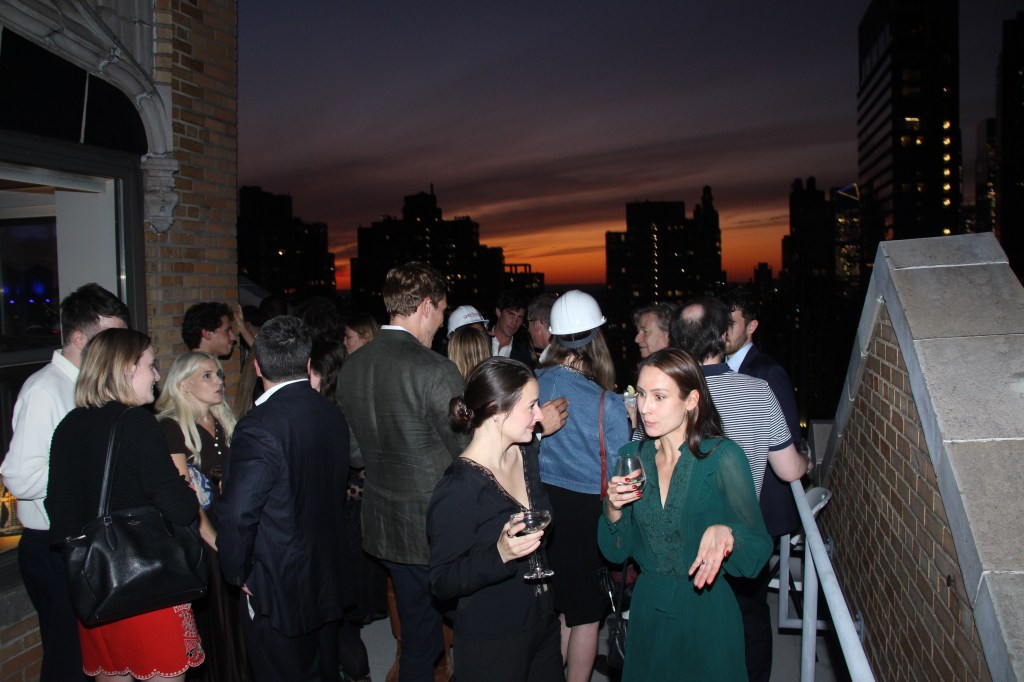
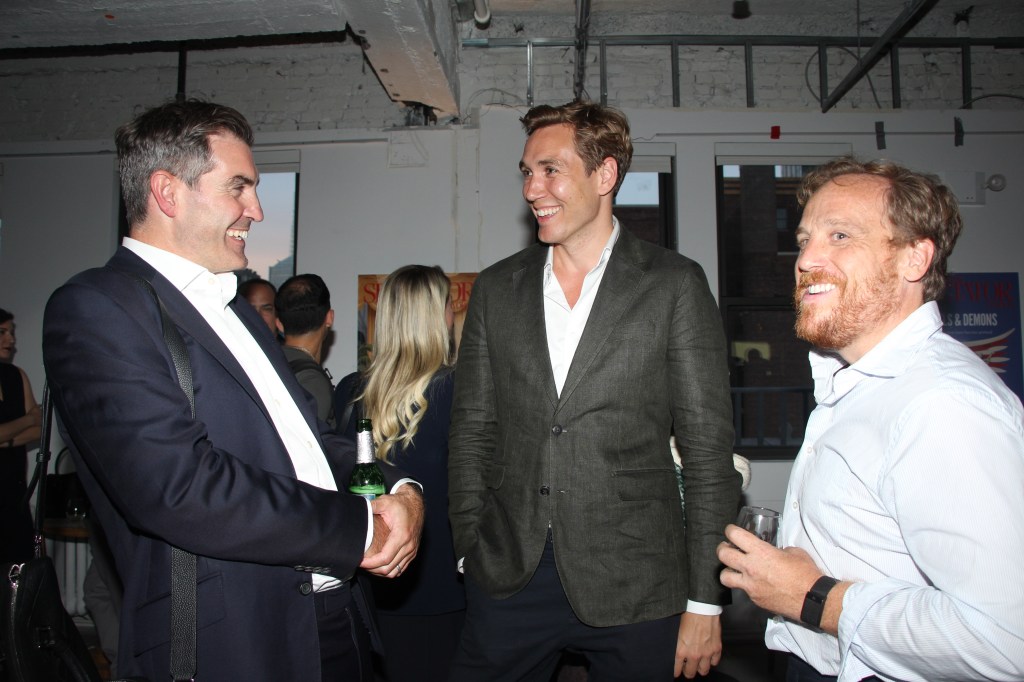
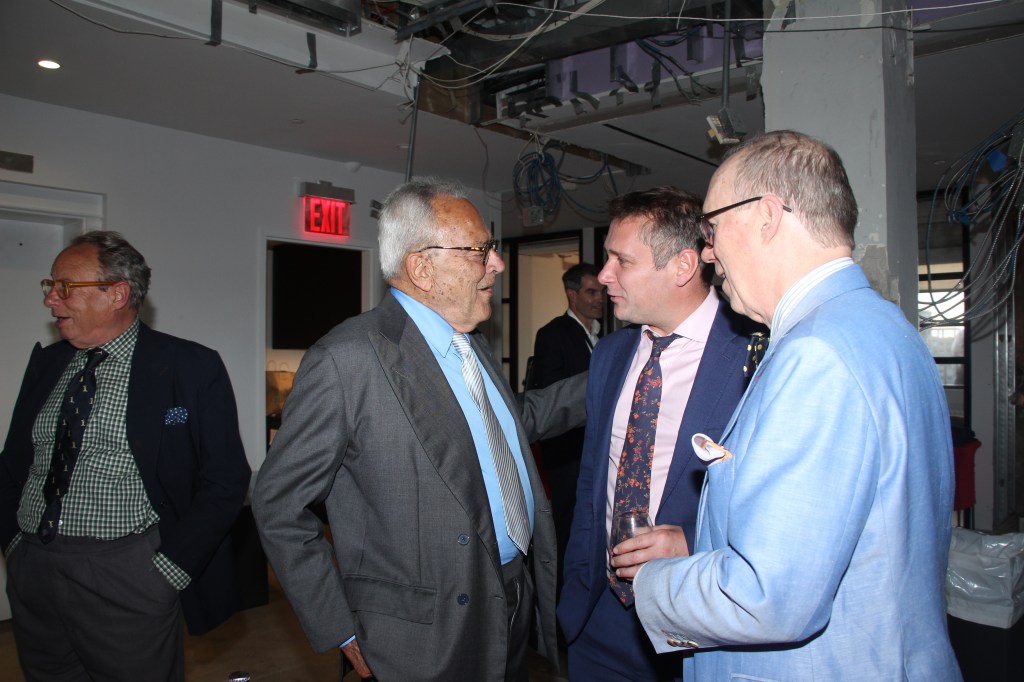
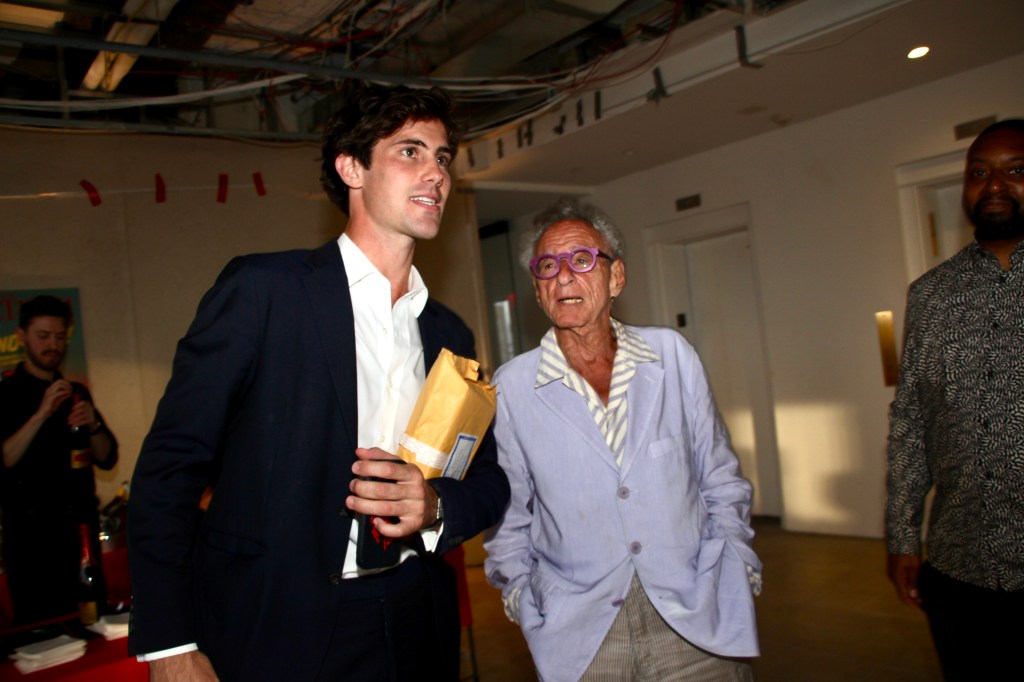
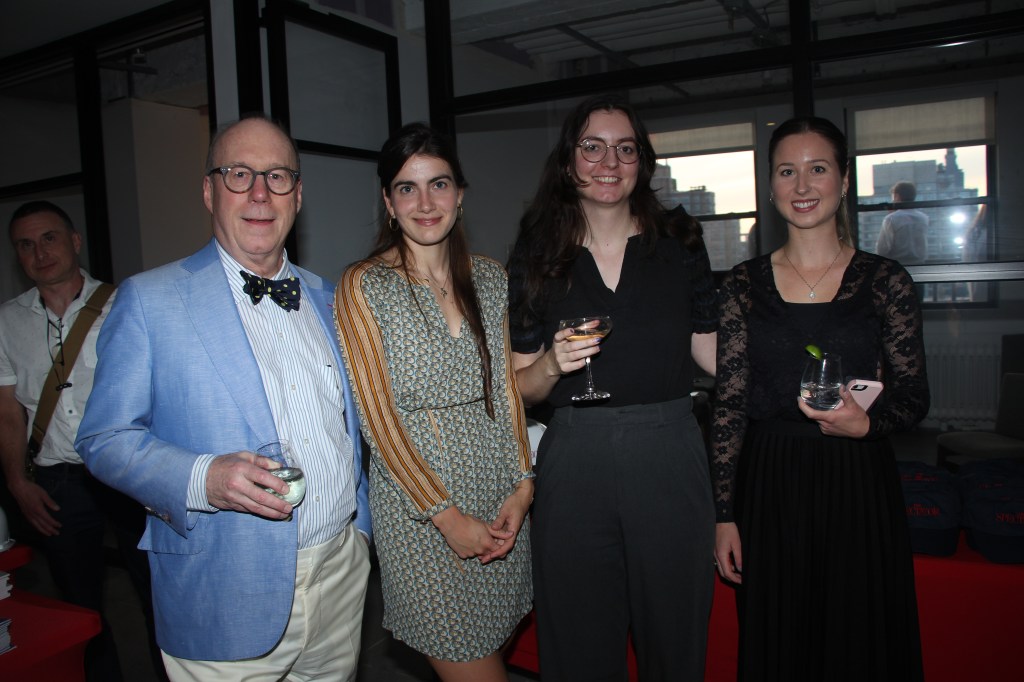
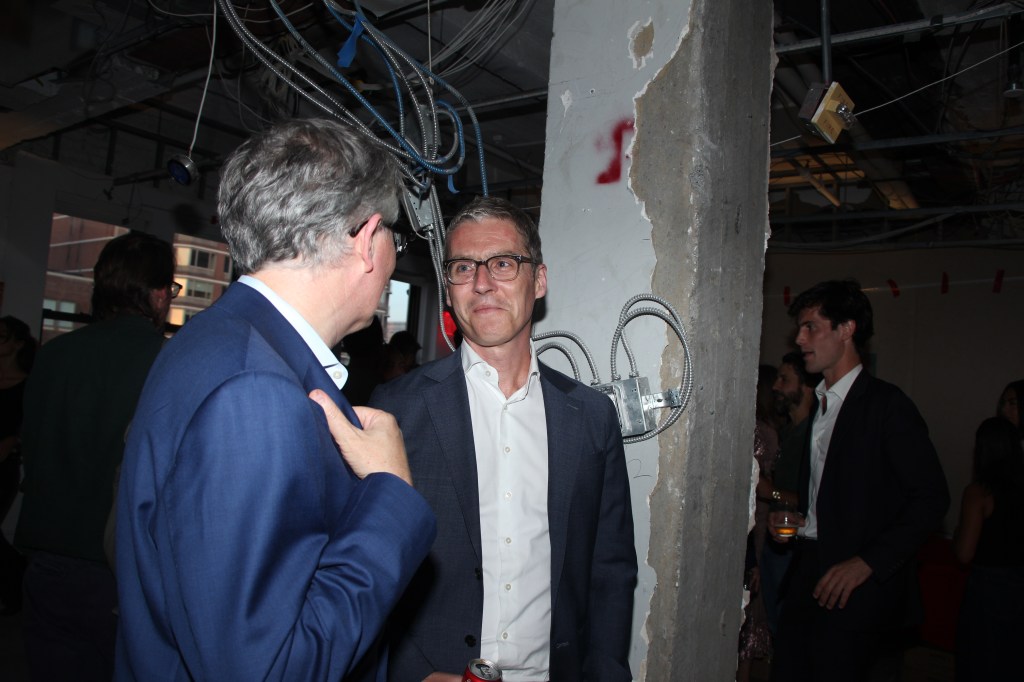
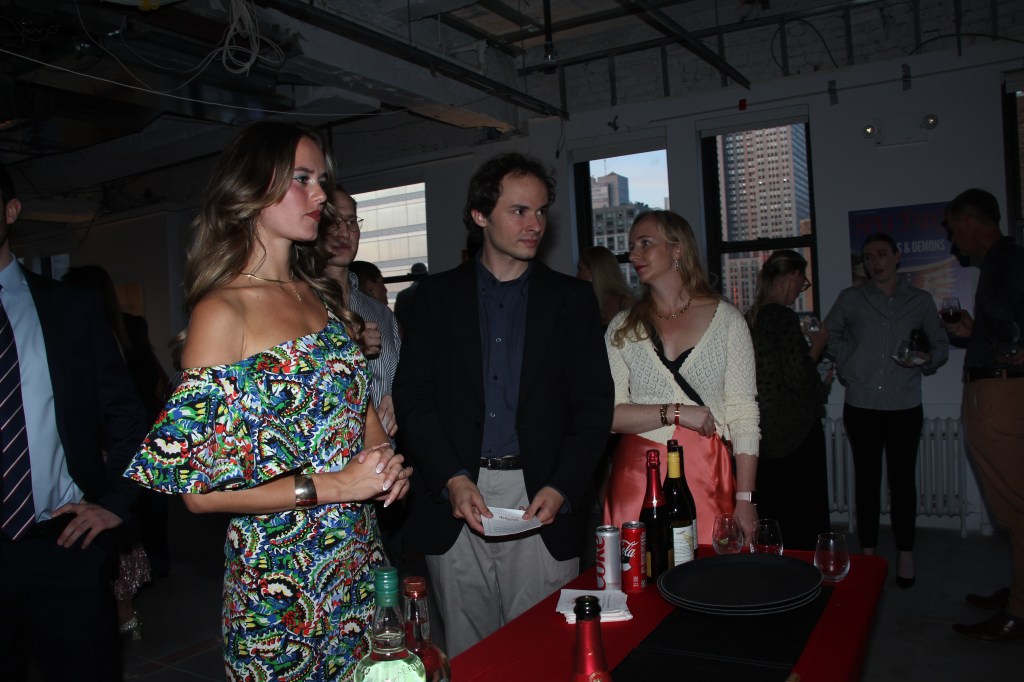
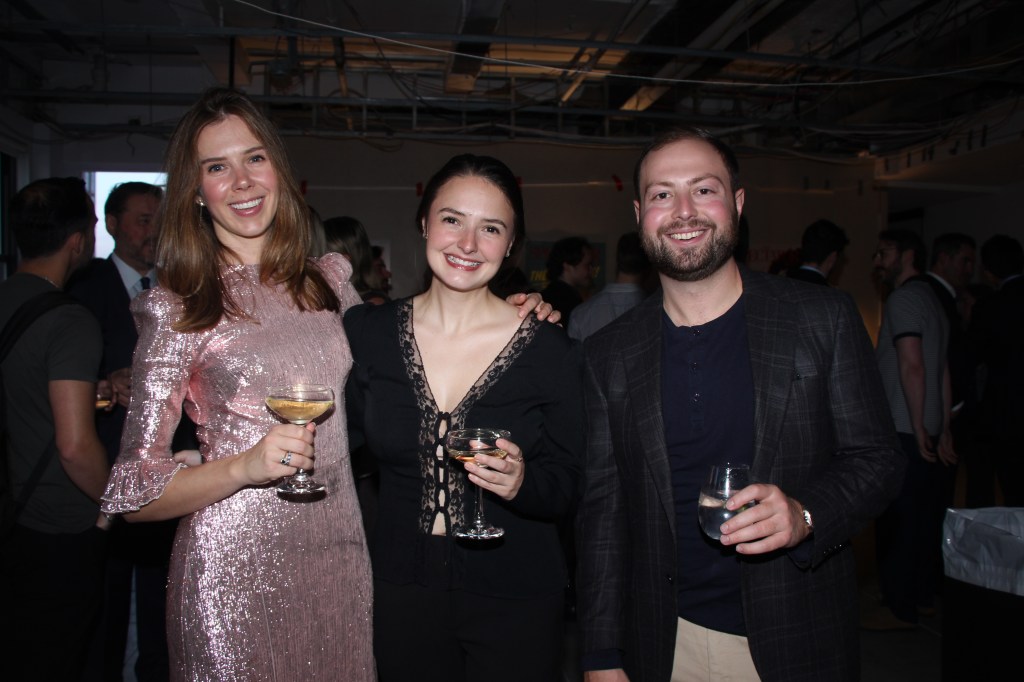
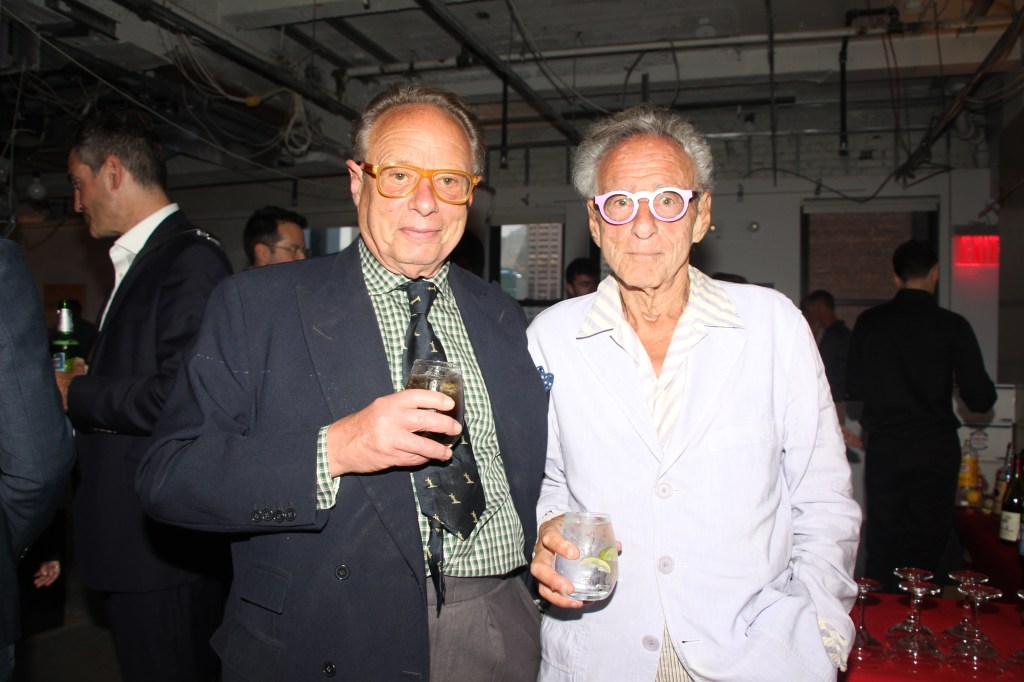
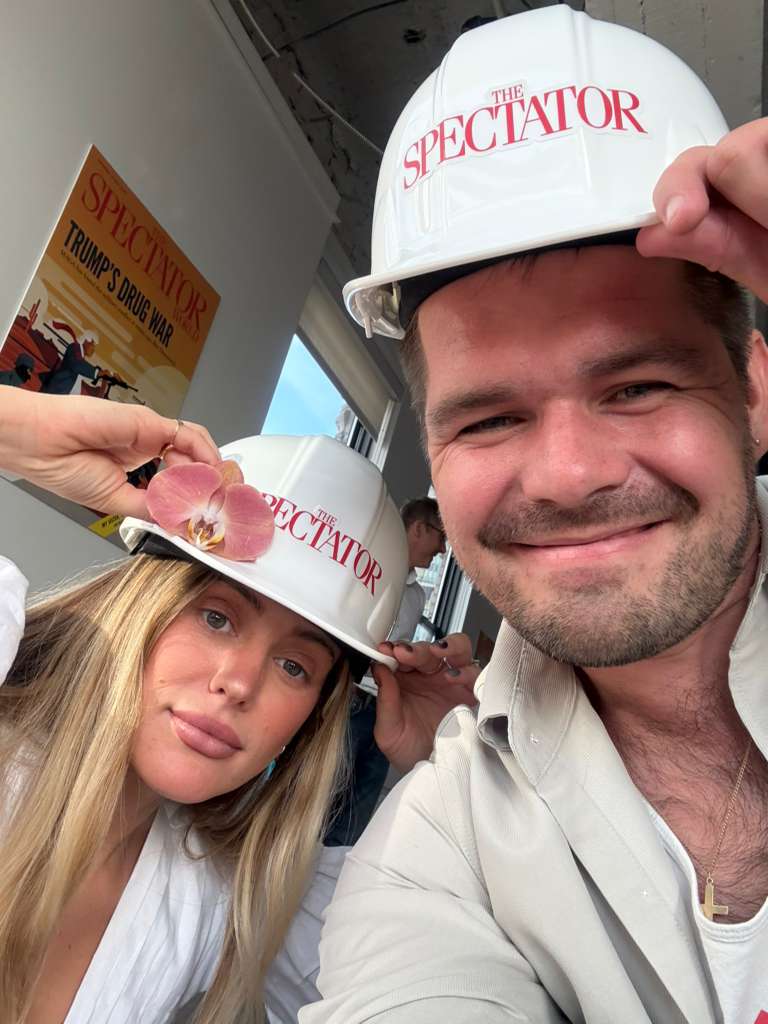
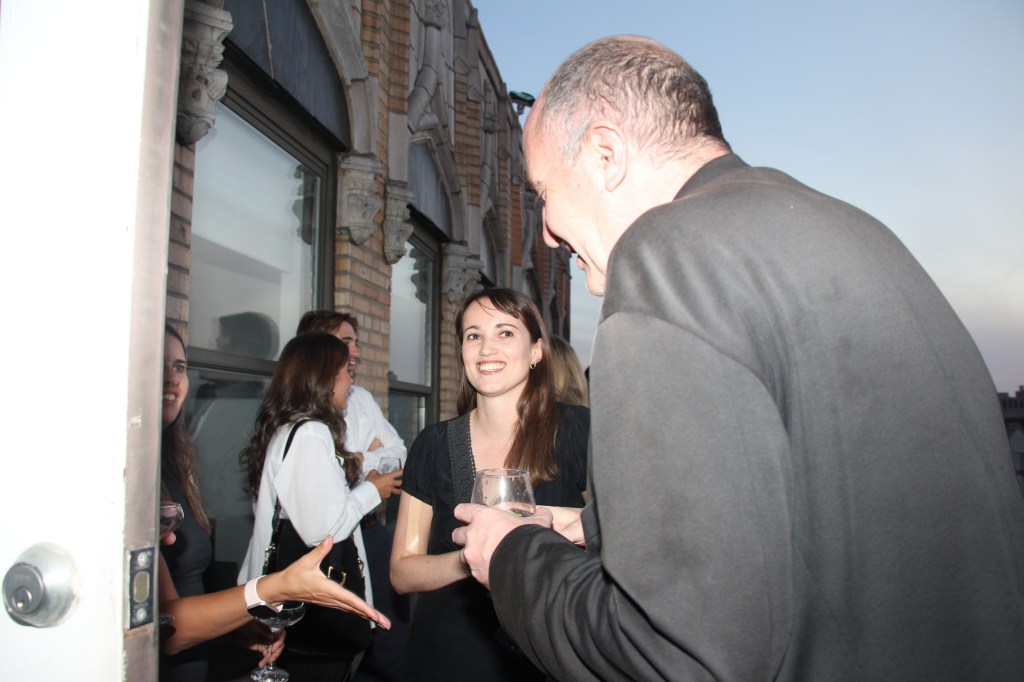
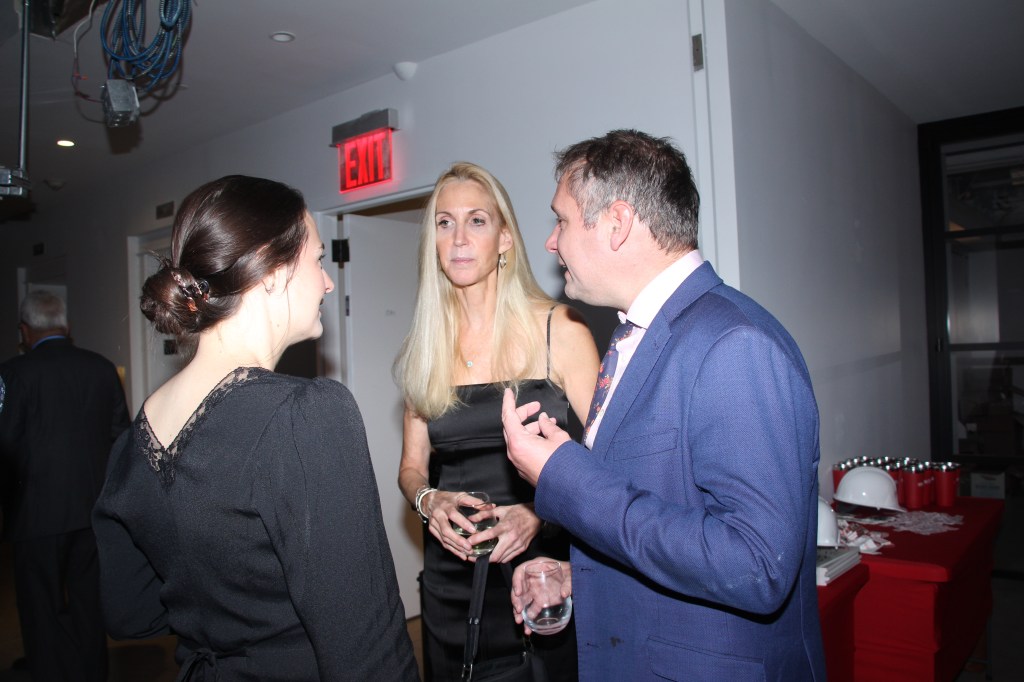
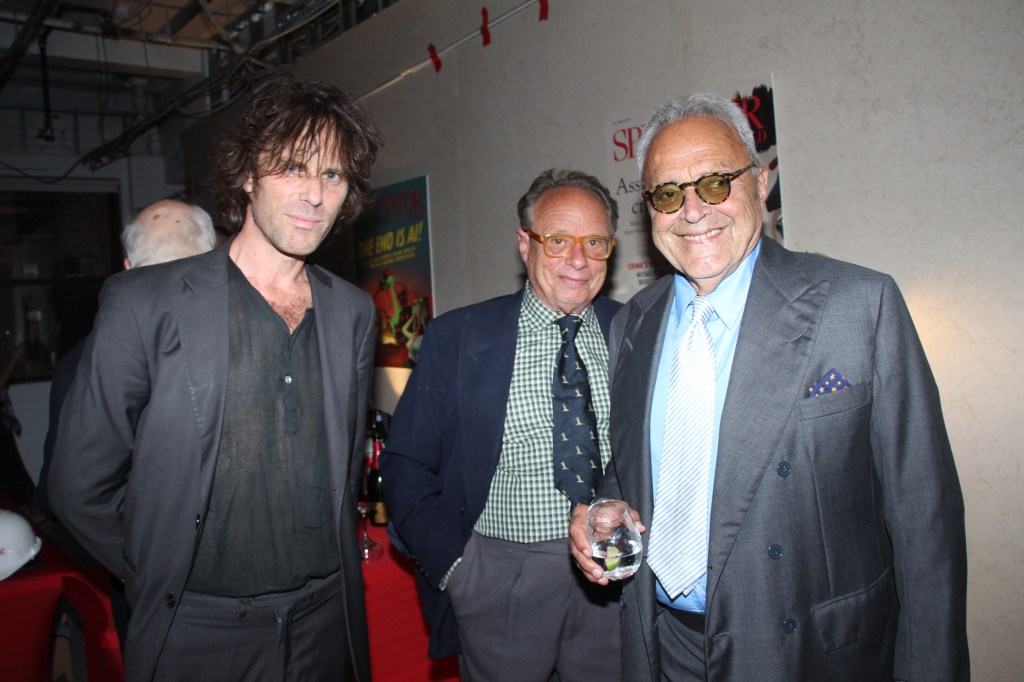
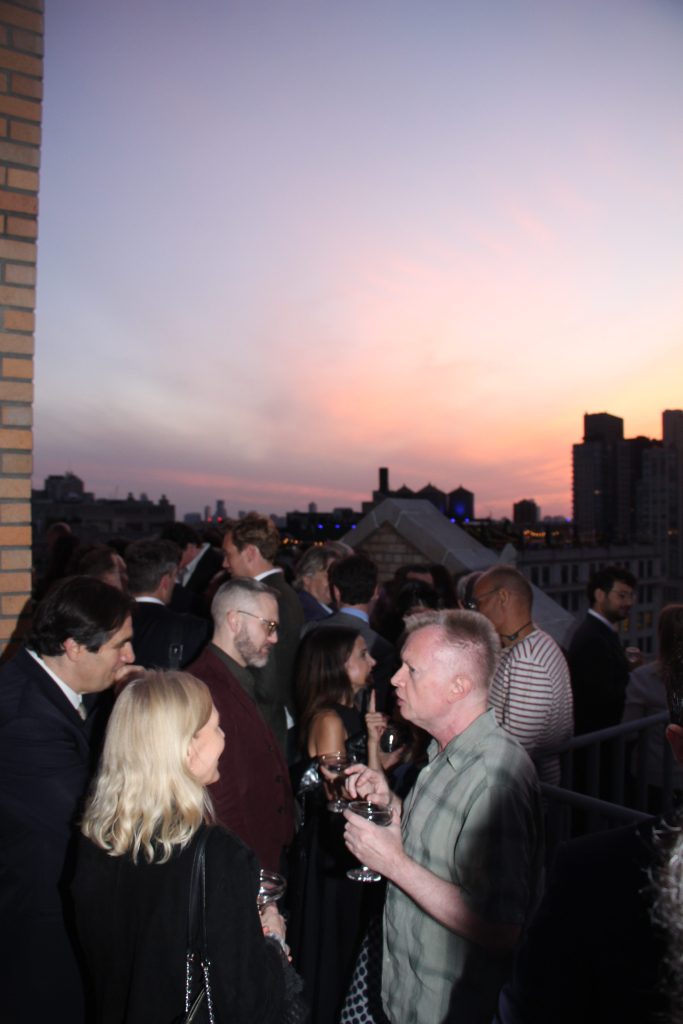
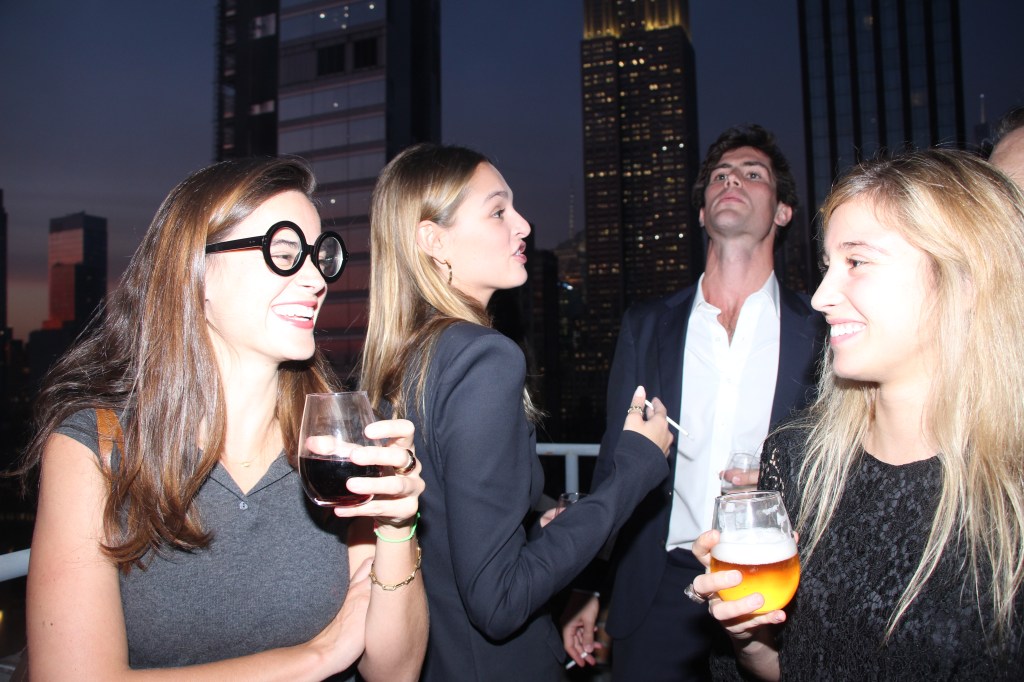
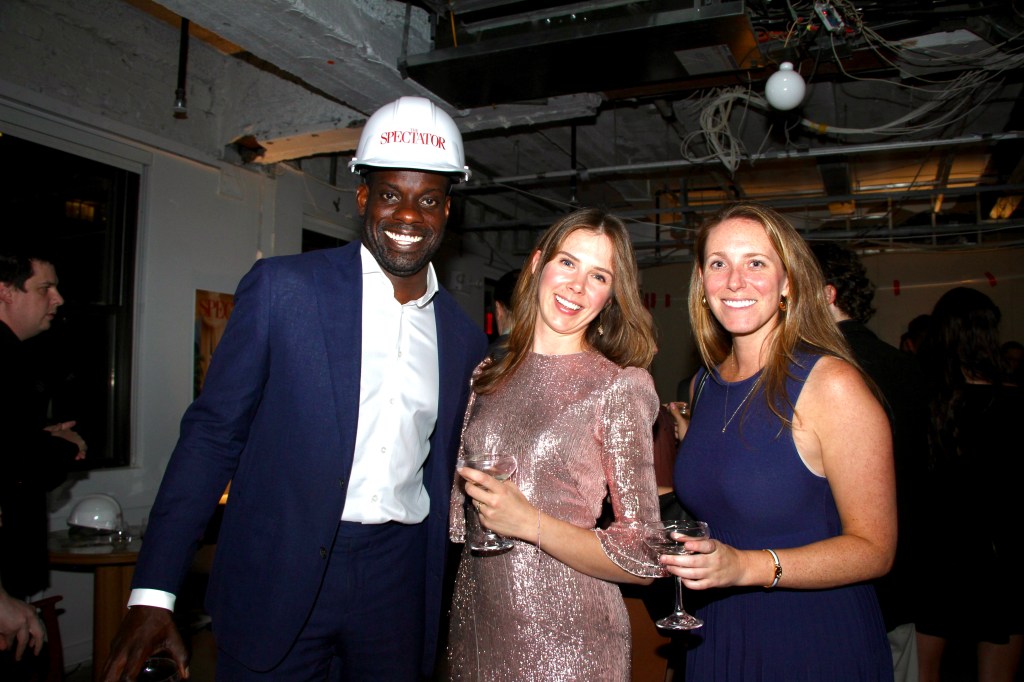
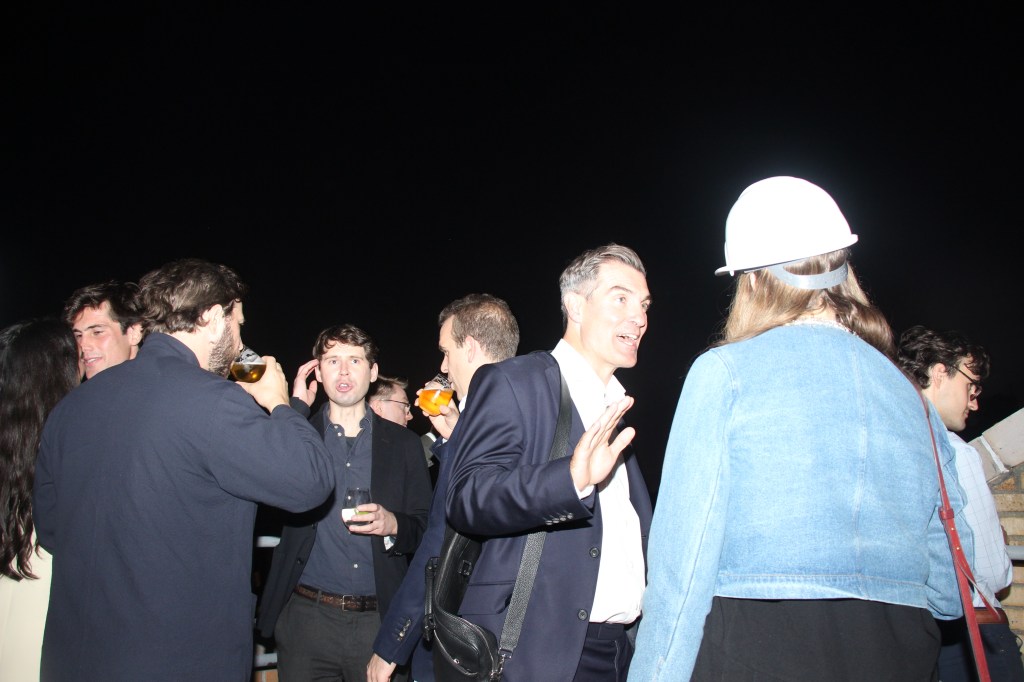
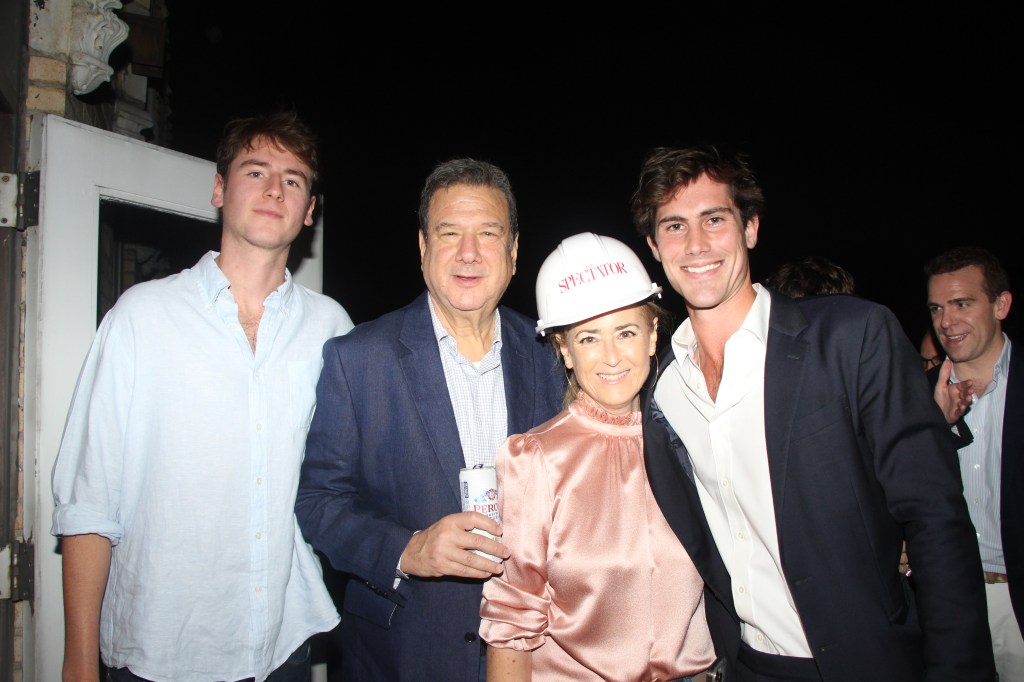
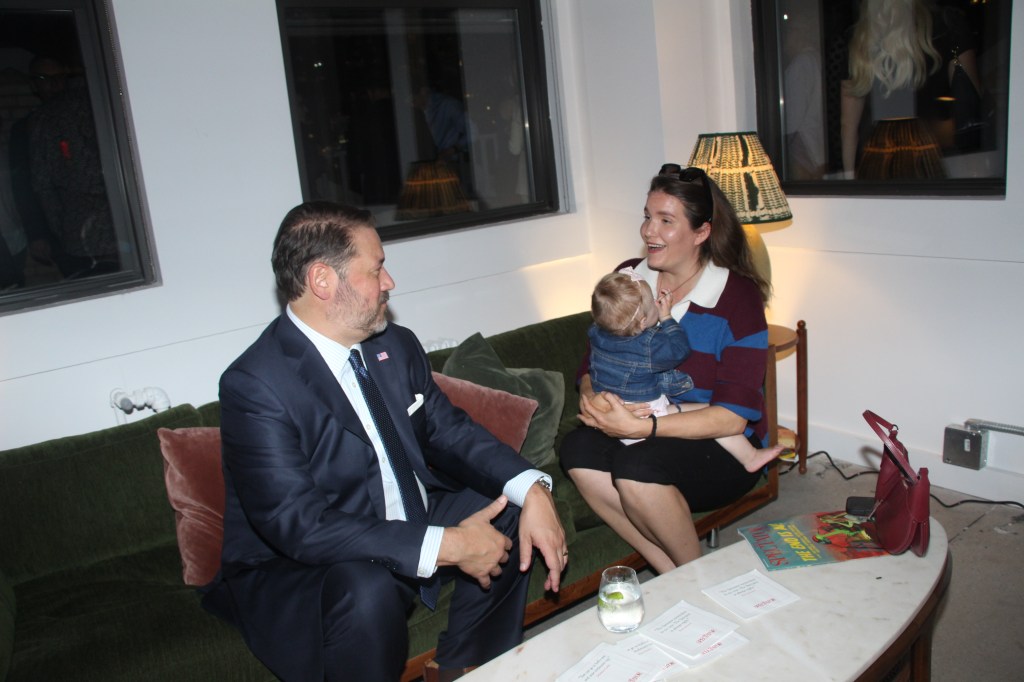
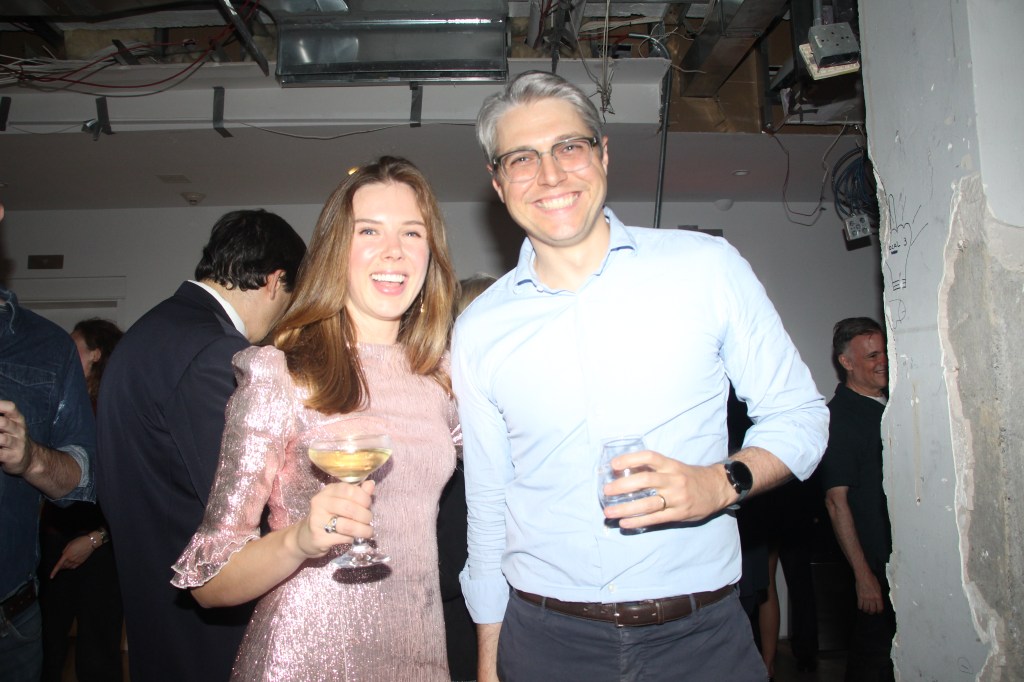
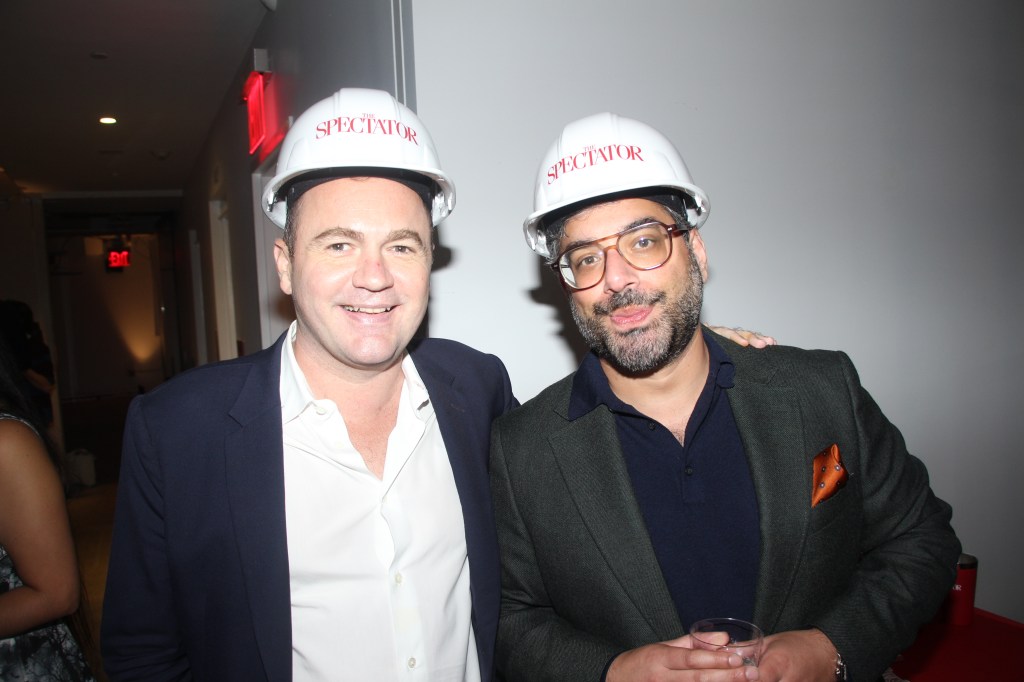
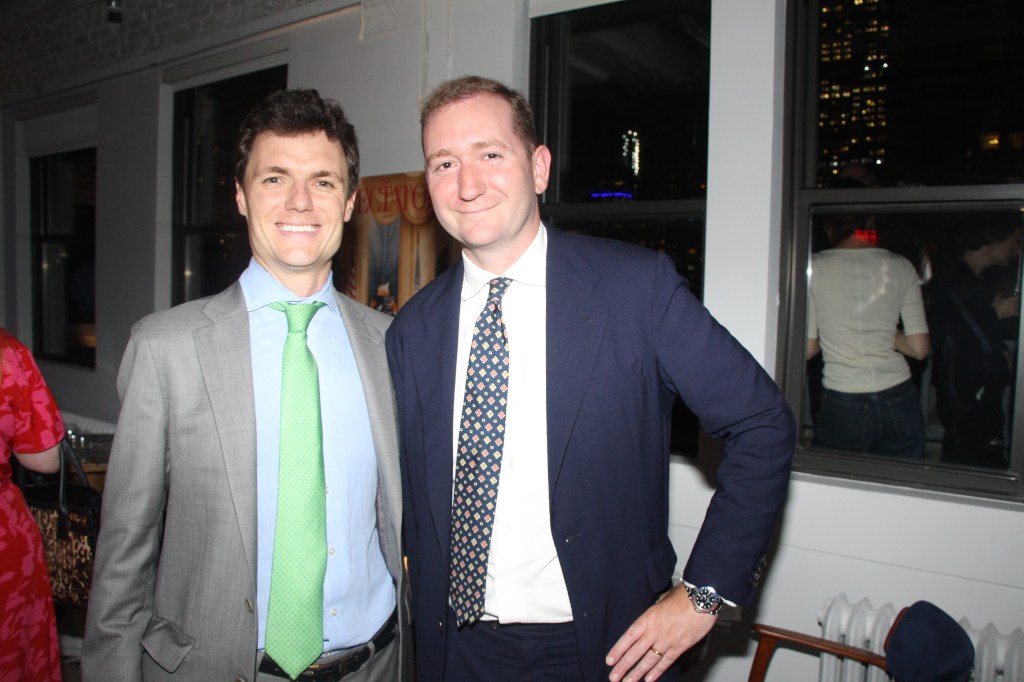
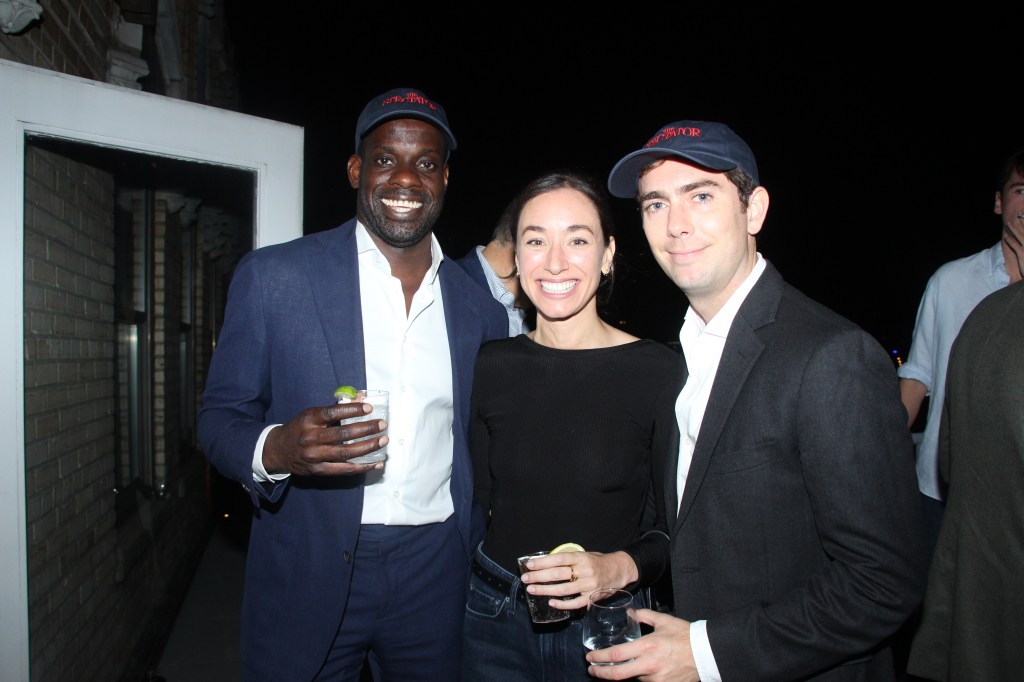
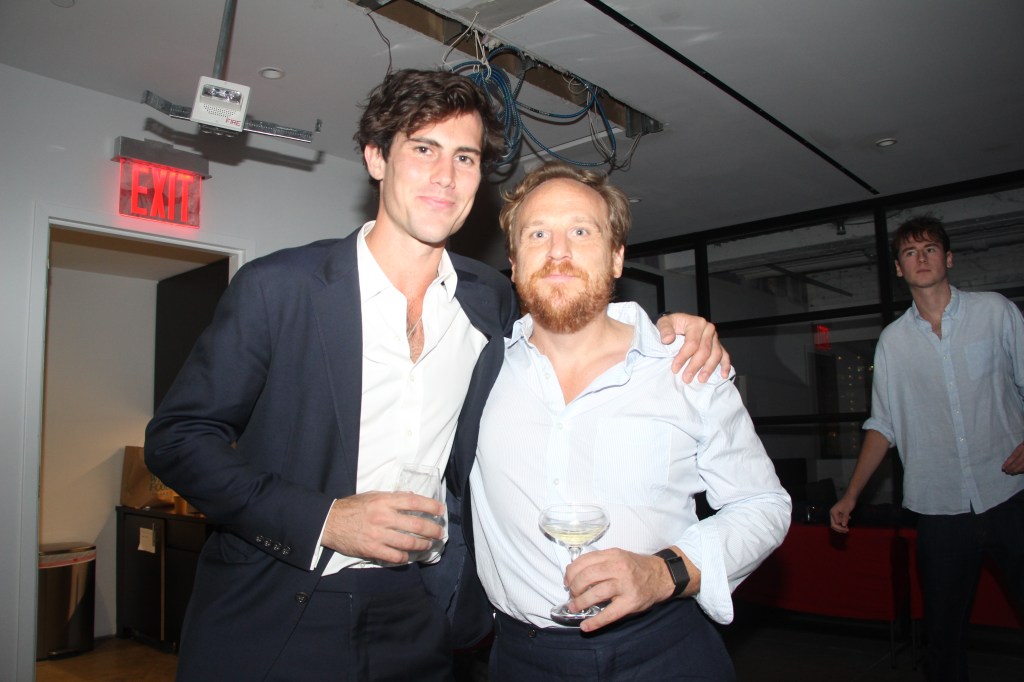
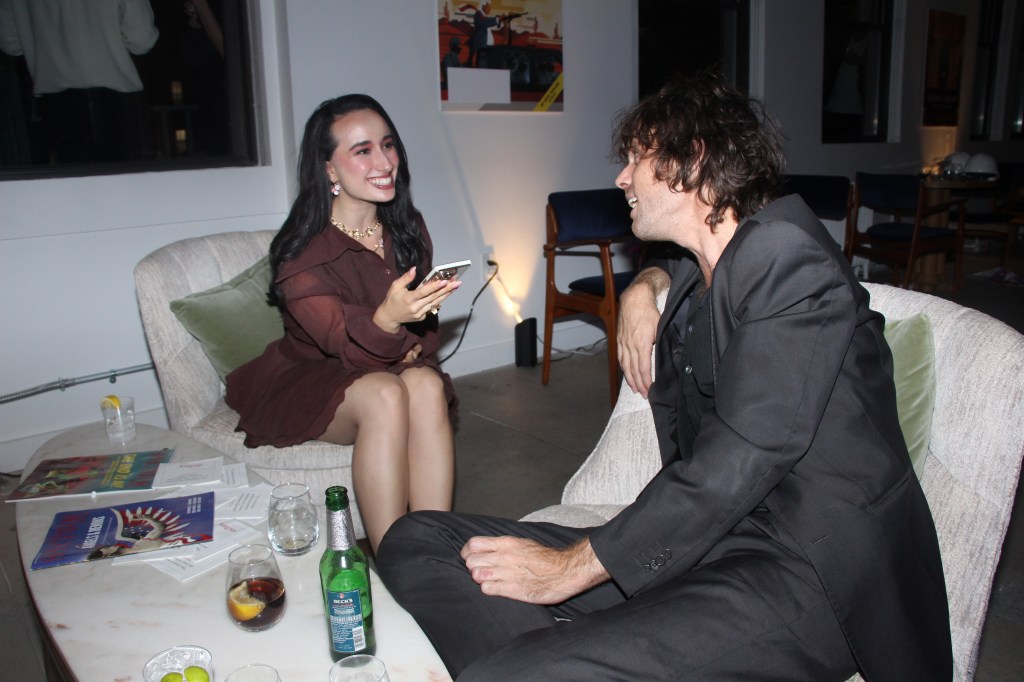
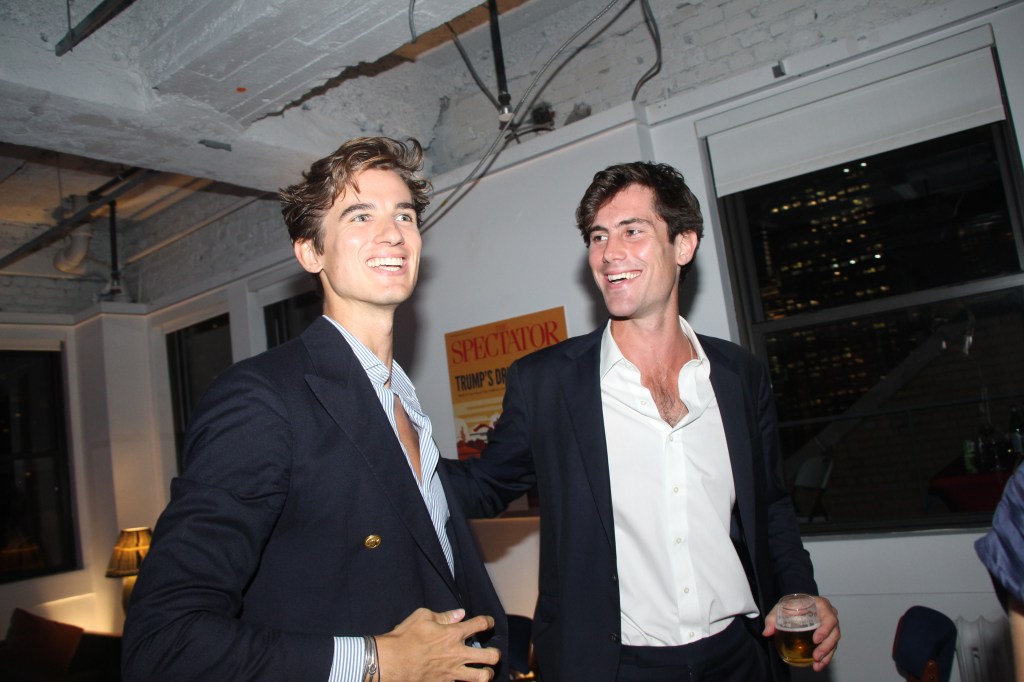
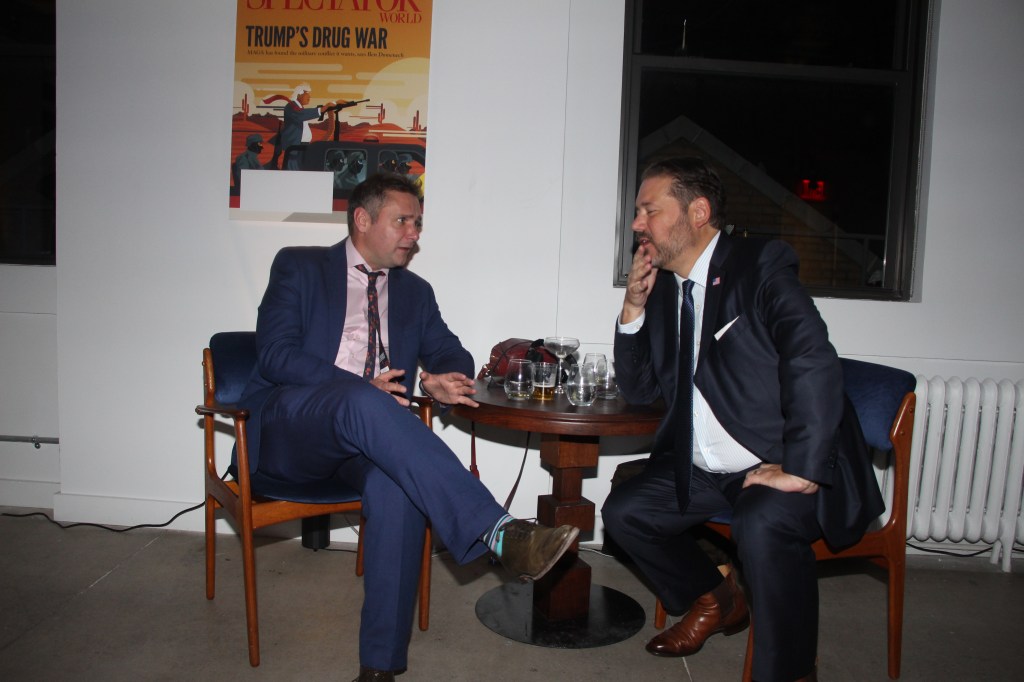
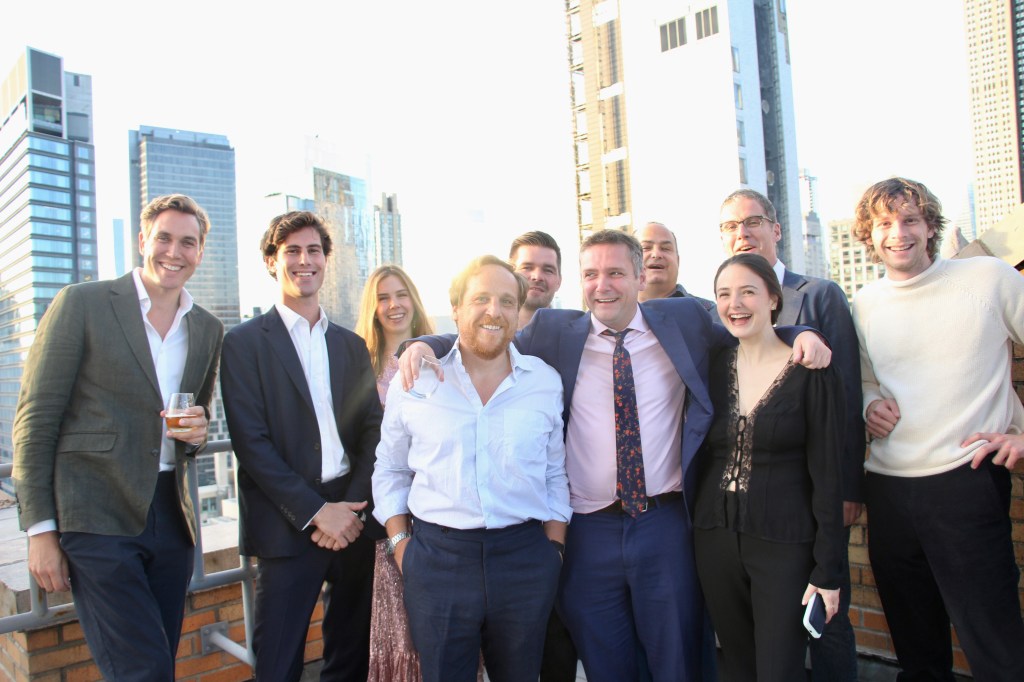
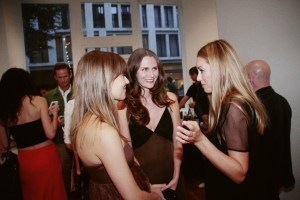
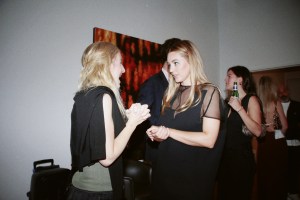
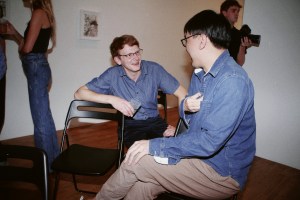
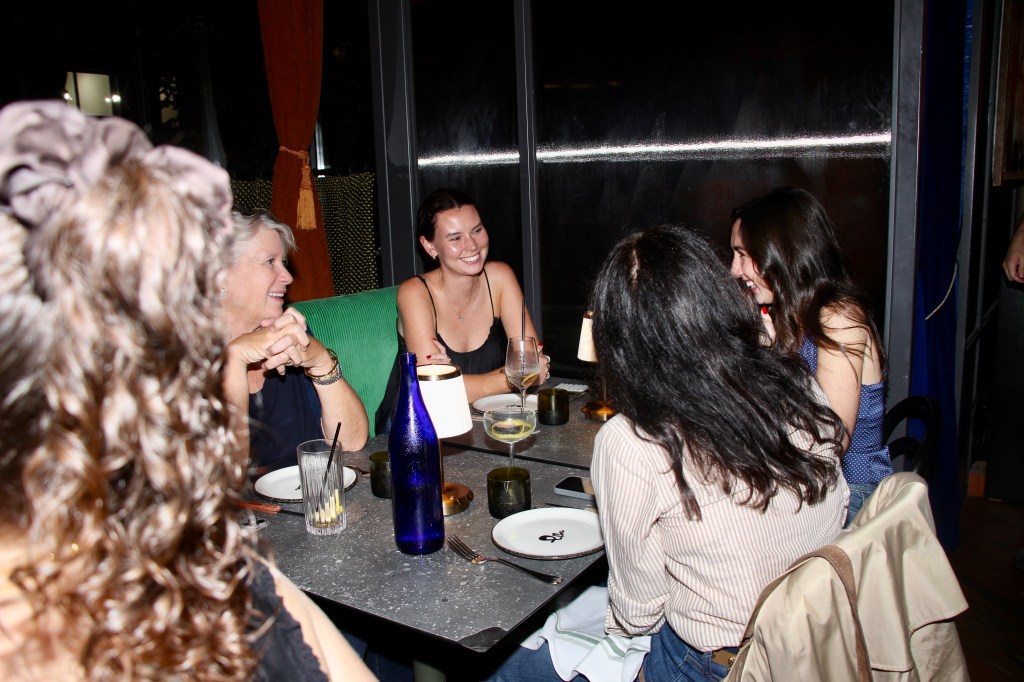
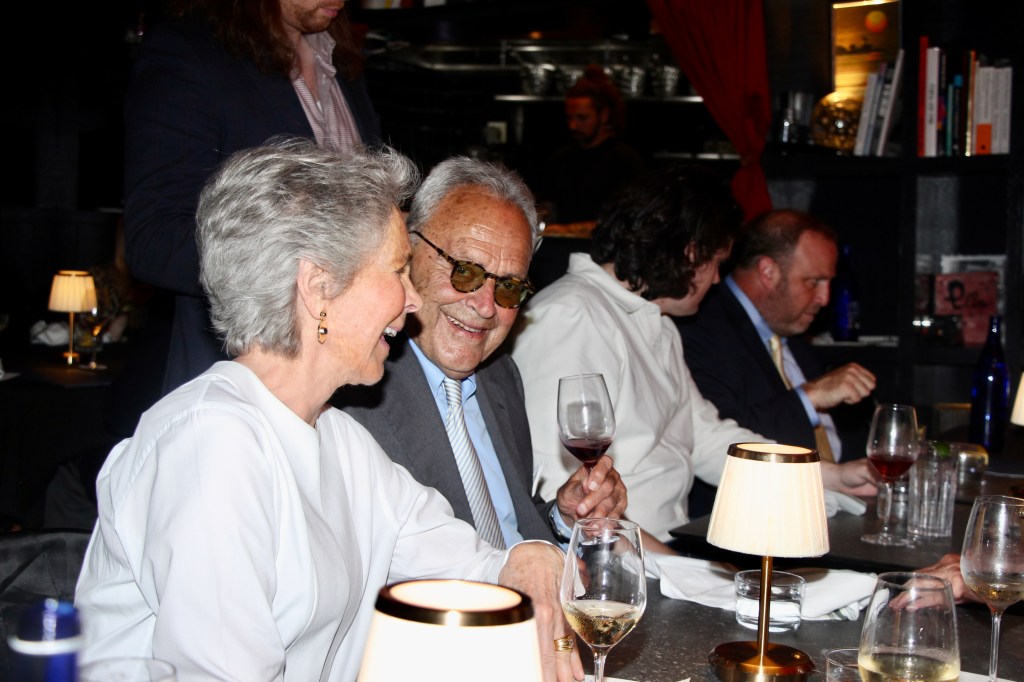
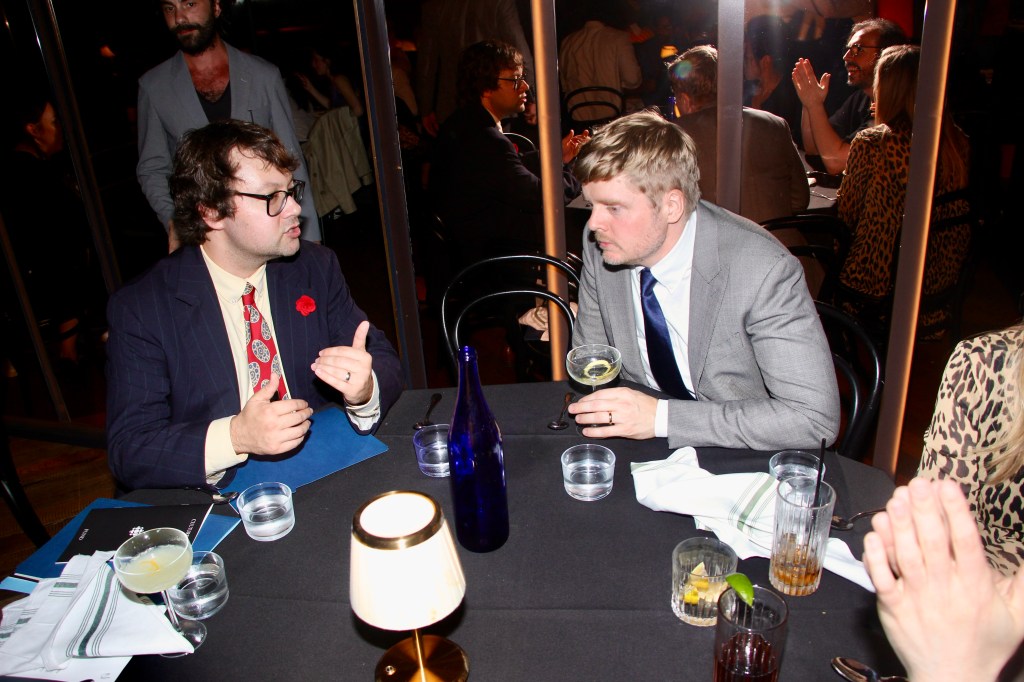
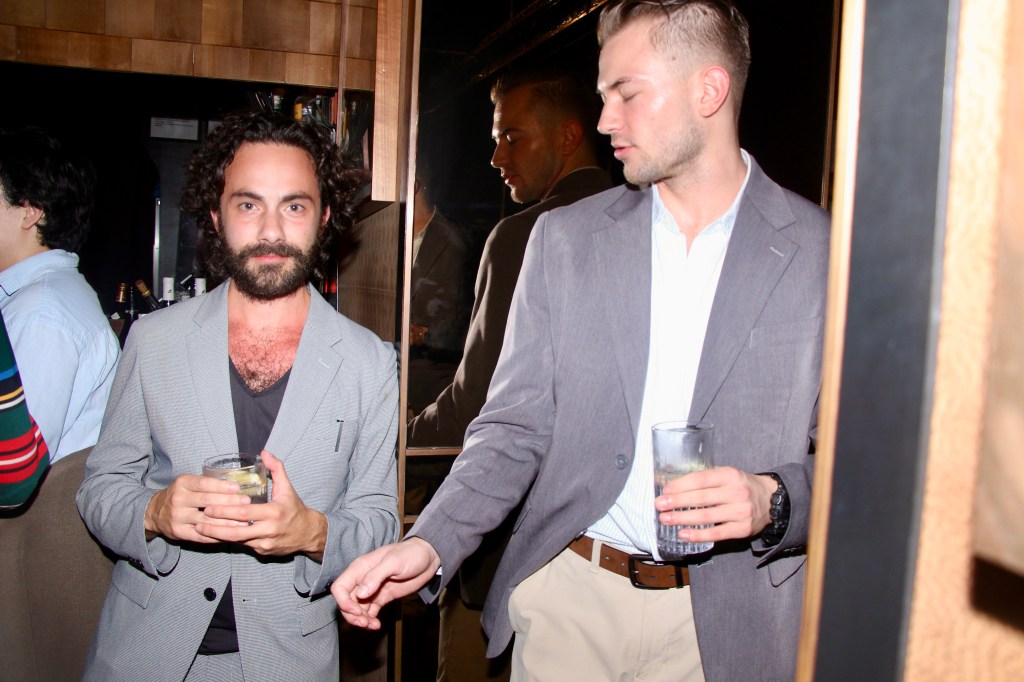
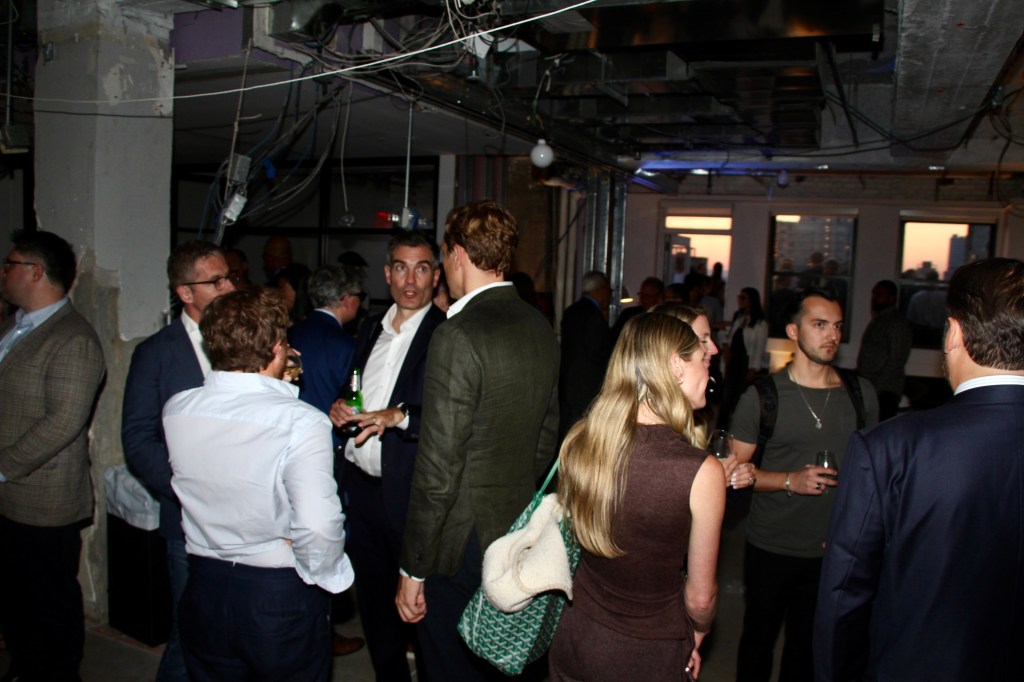
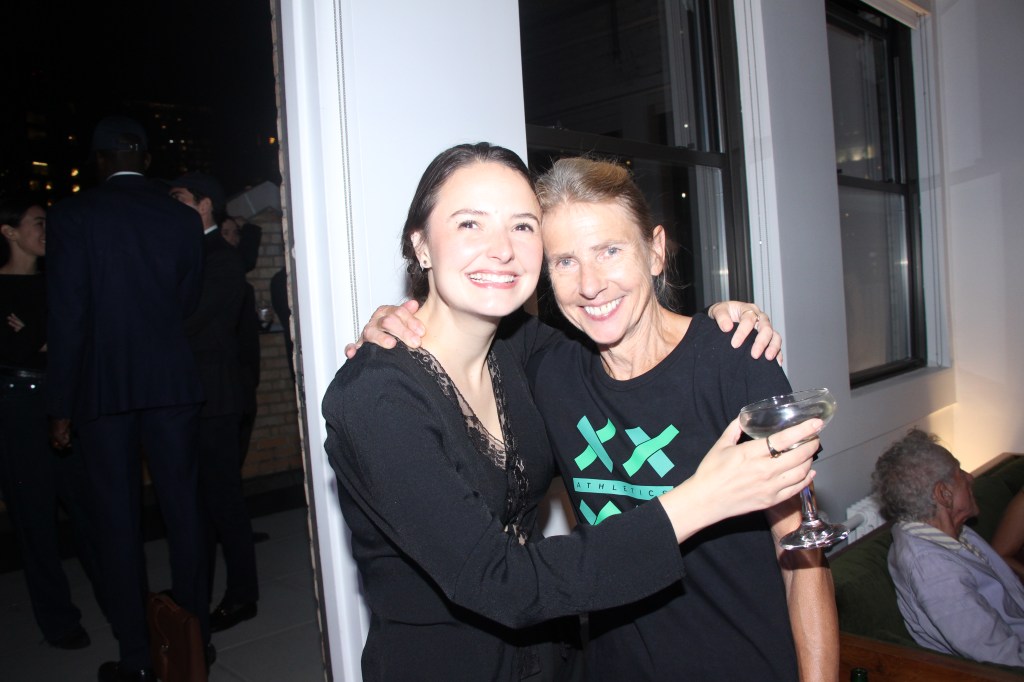
    “SPECS, drugs and rock ’n’ roll!” reported the New York Post’s Page Six about The Spectator’s bash on Tuesday to toast our new NoMad office. Some 150 revelers ascended to our unfinished, unfurnished penthouse digs, where they were served cocktails and spectacular sunset views from our terrace facing the Empire State Building. 

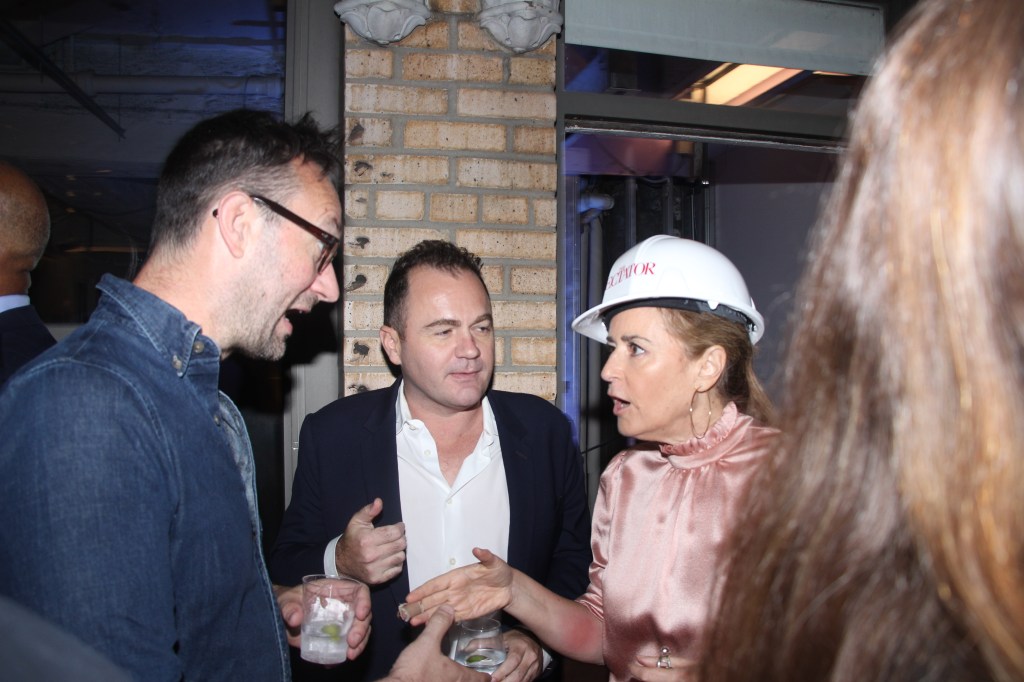
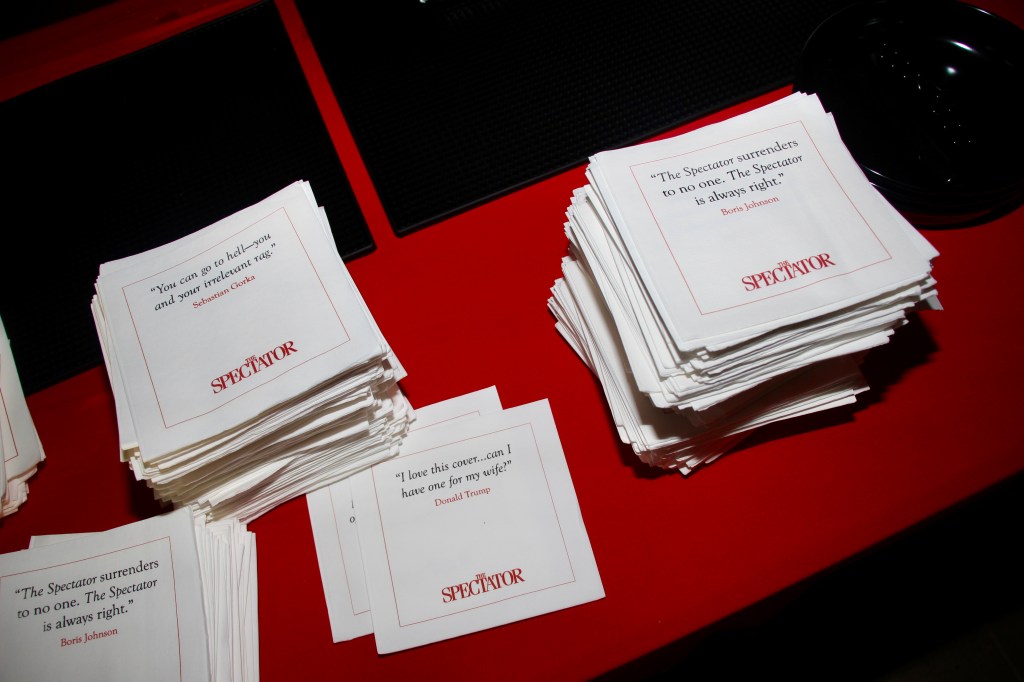
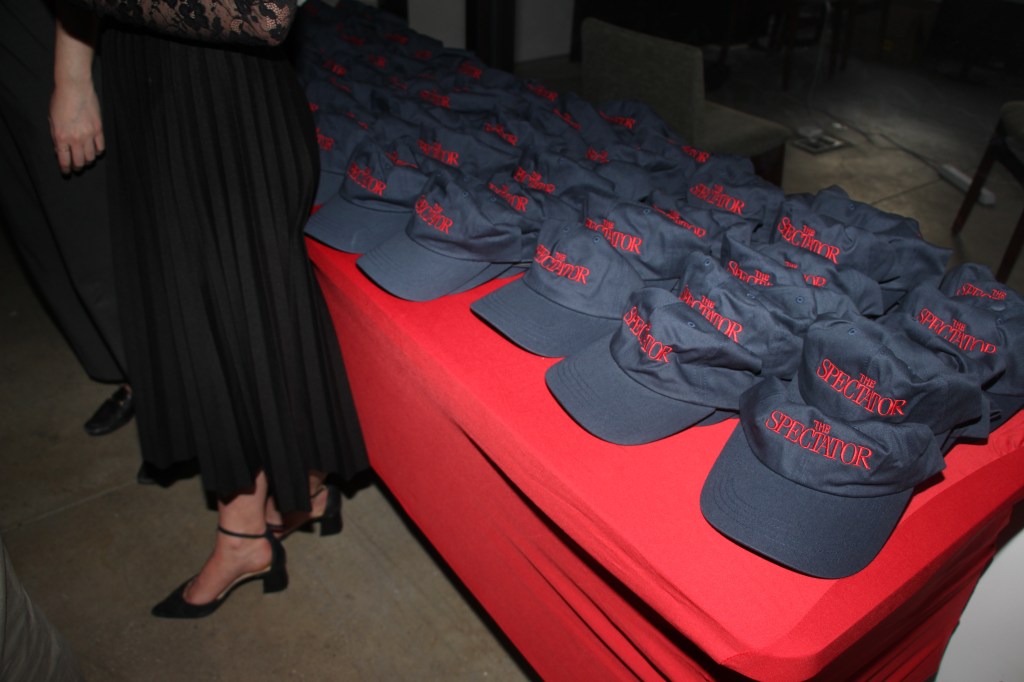
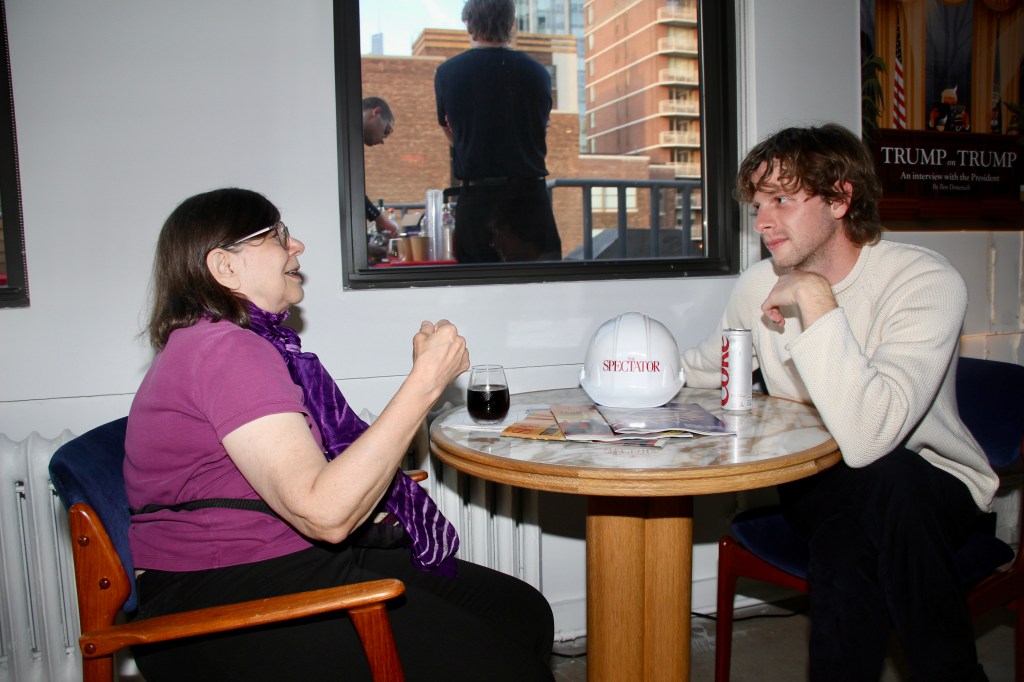
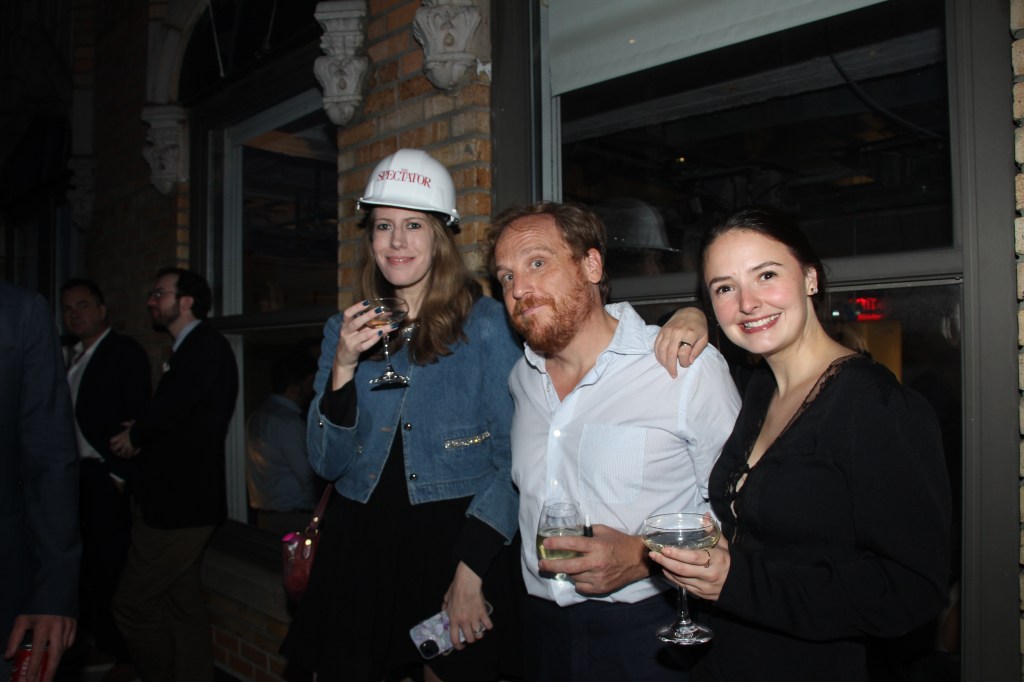
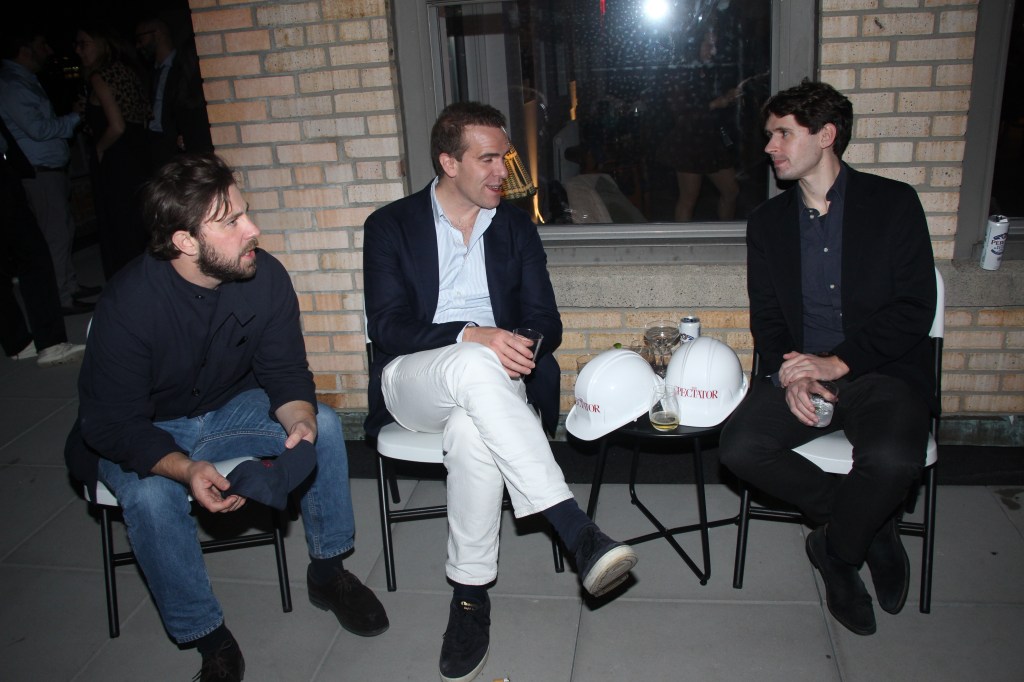
    Music played as guests bounced between the multiple bars. “You guys shouldn’t touch anything, it’s perfect!” said pretty much everyone I spoke to about our bold office renovation plans, while dodging ceiling wires and donning Spectator-branded hard hats (which a few lucky revelers went home with). One literary lady was overheard making plans to “try it on later with some lingerie for my husband.”

    Exciting times here at The Spectator. We have just doubled our print output from 12 to 24 issues annually and are enlarging our New York and DC operations in preparation for increased staffing and event programming, living up to our reputation – thank you to the New York Times – as “a very serious professional operation pretending to be a bunch of champagne dilettantes.”

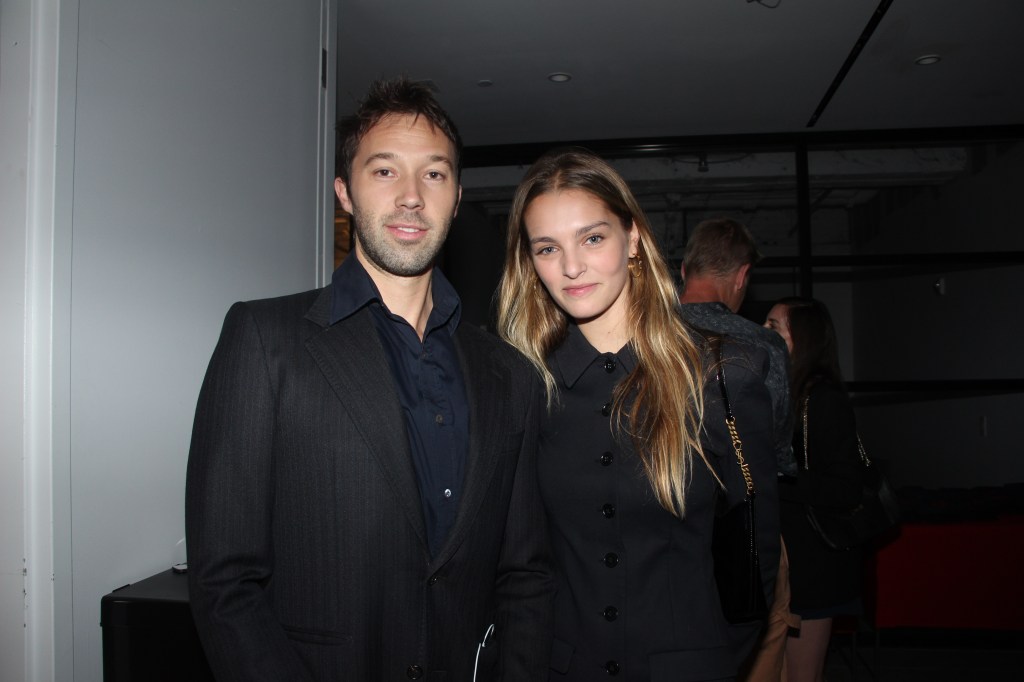
    Our crowd, the last of which spilled out past 11 p.m., was a who’s-who of the city’s political and cultural spheres, including: Abigail Asher, Jackson Scott, Ann Coulter, Keeley Hazell, Alessandra Ford Balazs, Christian Lorentzen, Adrian Dannatt, Diane Cole, John R. MacArthur of Harper’s, Caroline Calloway, Feed Me’s Cami Fateh, Taki Theodoracopulos, Raheem Kassam, Jonathan Becker, Christopher Brooks, Red Scare podcaster Anna Khachiyan, the Times of London’s Katy Balls, the New York Post’s Keith Poole and Oliver Coleman, the New Criterion’s Benjamin Riley and Roger Kimball, Gentleman’s Journal’s Joseph Bullmore and Harry Jarman, Breaker Media’s Lachlan Cartwright, Air Mail’s Elena Clavarino and Harrison Vail and The Spectator’s own Freddie Sayers, Freddy Gray, Zack Christenson, Kate Andrews, Ben Domenech, Lionel Shriver, Roger Kimball, Neal Pollack, Lara Prendergast, Ben Clerkin, Luke Lyman and Matt McDonald. 

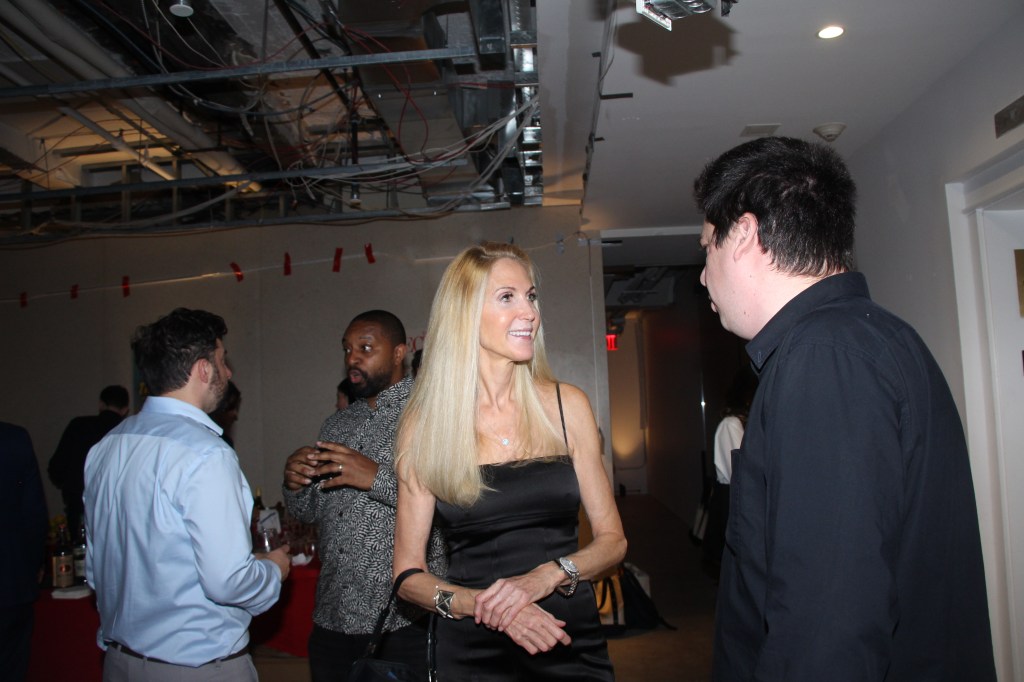
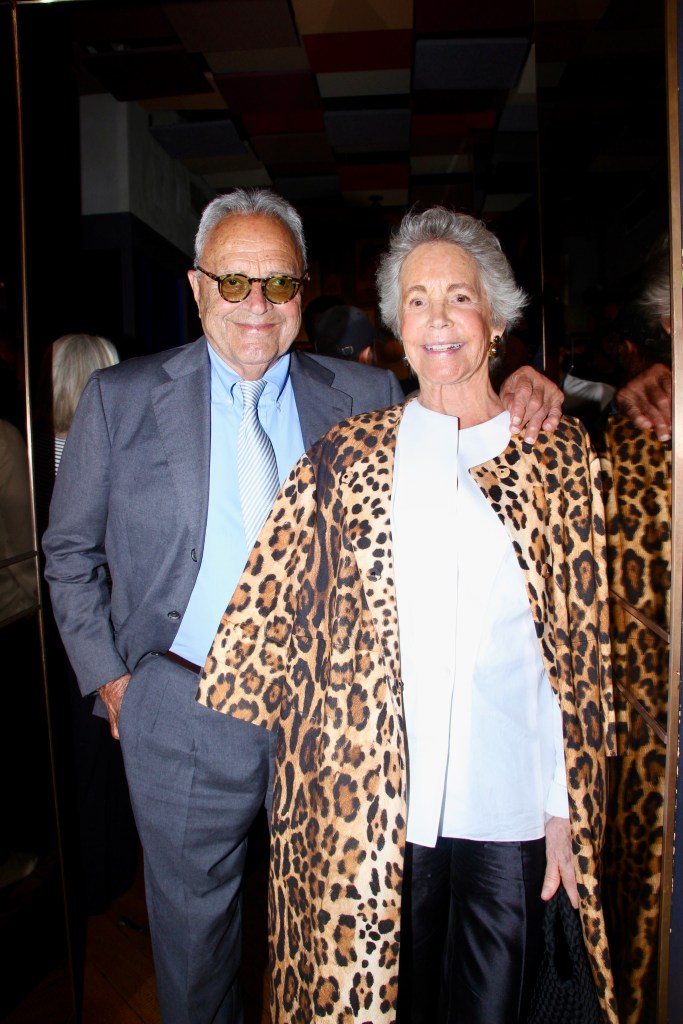
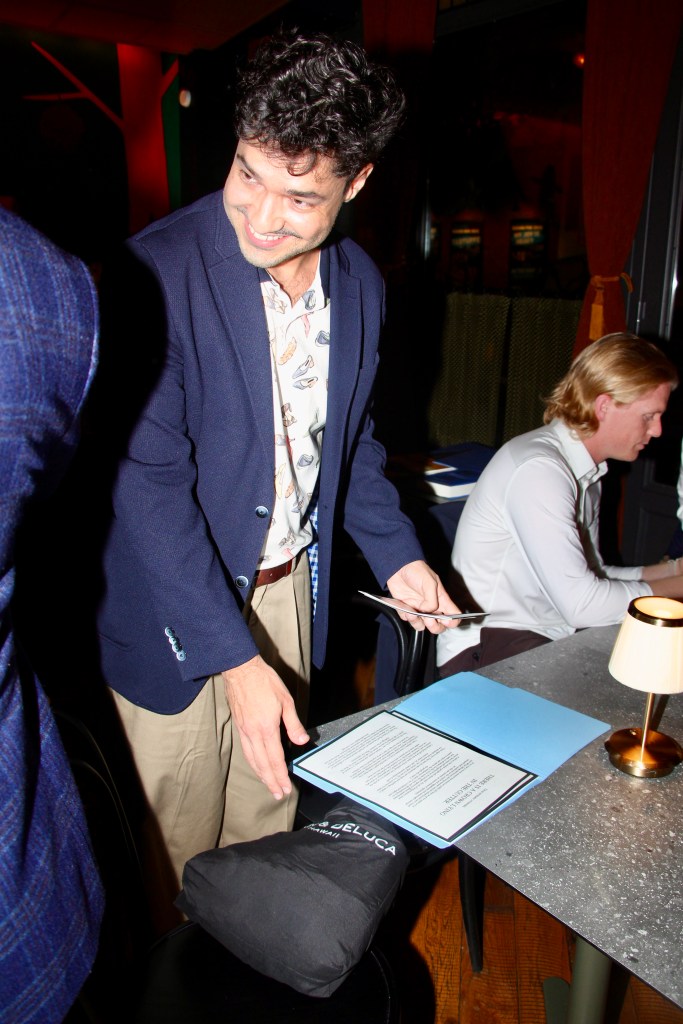
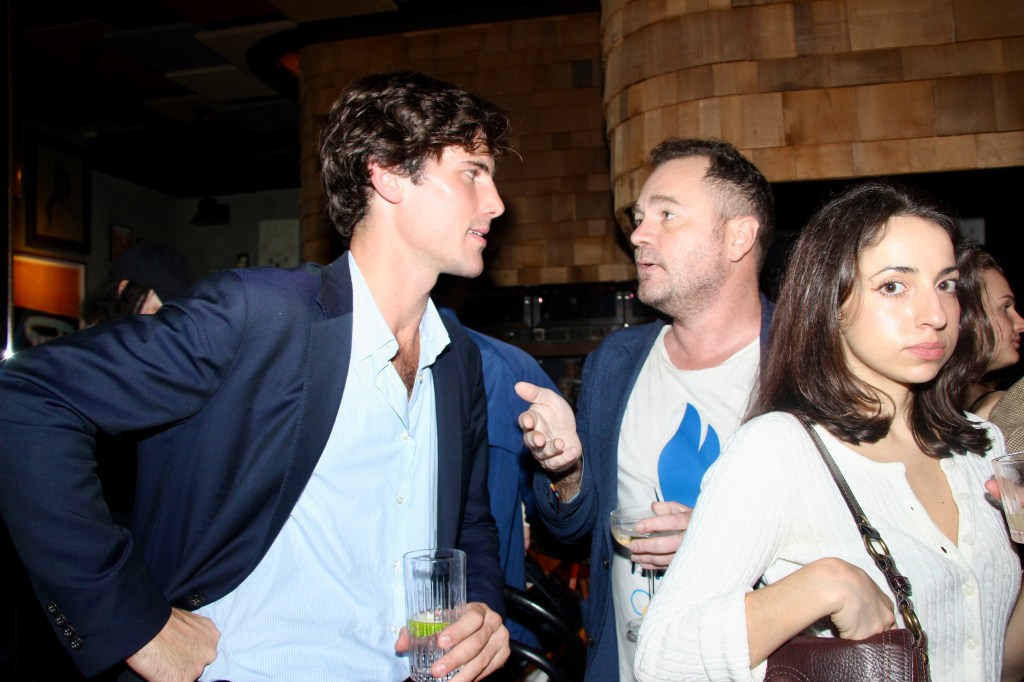
    Christian Lorentzen and John R. MacArthur (Lily Burgess/The Spectator)
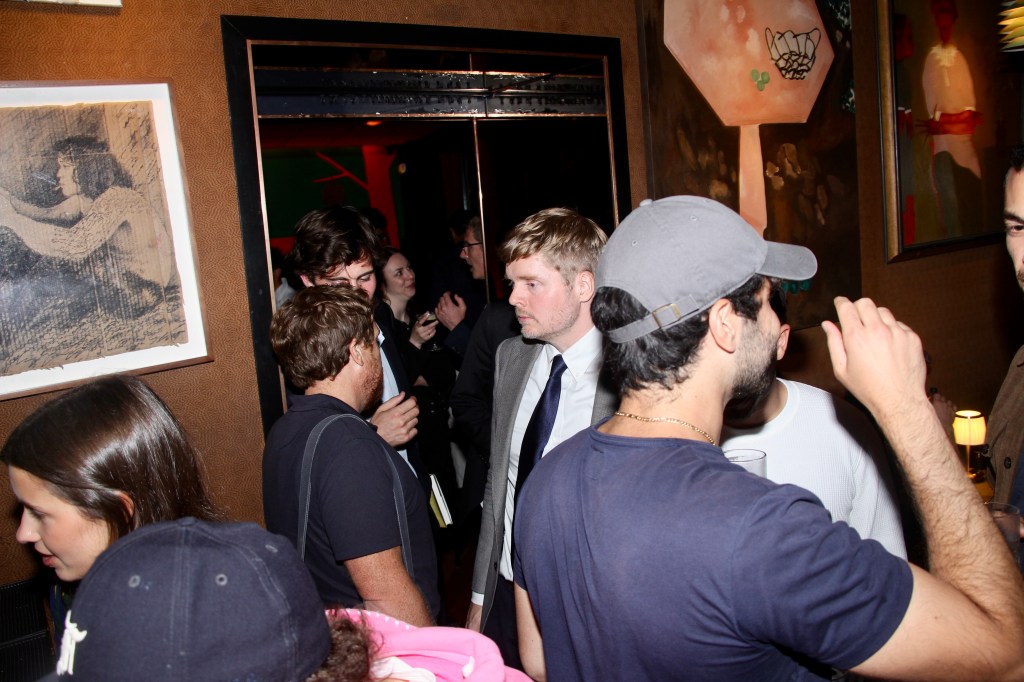
    Oliver Coleman, Lachlan Cartwright and Abigail Asher (Lily Burgess/The Spectator)
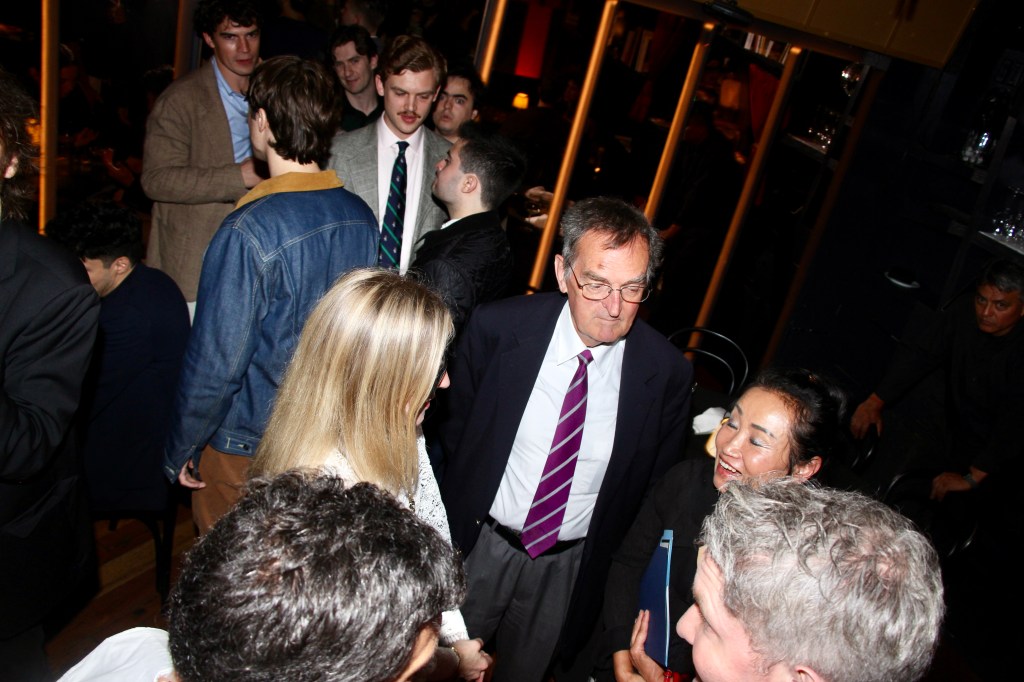
    Keith Poole and The Spectator‘s Freddie Sayers and Zack Christenson (Lily Burgess/The Spectator)

  • The lost glamor of New York nightlife

    Mark Ronson has one of the finest heads of hair in all showbusiness. The music producer’s coiffure is a dark, whipped and quiffed thing that makes it look as though he naturally belongs on a Vespa in Capri, being ogled by the belle ragazze as he scoots on by. As a cultural object, it certainly surpasses the Oscar he won for the songs in that Lady Gaga remake of A Star is Born; it probably equals his Barbie soundtrack; and maybe even approaches the hits he made with and for Amy Winehouse.

    But it wasn’t always like that. Back in the 1990s, Ronson’s hair was a standard-issue crop, while he was a gawky young club DJ looking to make it in New York. It’s this scene that he writes about in his memoir Night People, not the fame and accolades that would follow. He calls it “the Mark Ronson book nobody asked for” in the acknowledgements at the back, adding: “What, no Amy?!”

    Honestly, I turned to those acknowledgements after just a few sentences. My suspicions had been aroused, you see. The book’s first paragraph was an evocative description of a house party at 2 a.m., where “the diehards are smoking cigarettes like it’s still 1999, ashing into a cereal bowl that’s been sacrificed for the occasion” – and I wanted to check whether Ronson had used a ghostwriter, as celebrities so often do. Sometimes you can divine the truth from the nods and thanks in the back matter.

    But, no, I don’t think he did; at least not beyond a bit of polishing, perhaps. Night People appears to be Ronson’s text – and it’s really good. Nobody asked for it, but plenty of people should buy it, whether they’re interested in DJing or not.

    If that sounds patronising, it’s not meant to – it’s actually just raw envy on my part. Judging from this book, Ronson had a blast in the 1990s. From hanging out with his childhood friend Sean, John Lennon’s son, to rooting around record shops for obscure hip-hop, disco and funk releases. From hustling as a “gigging bar DJ” to presiding over dance-floors occupied by “Mike Tyson, Wesley Snipes and Leonardo DiCaprio, a young rap fanatic.” Booze. Coke. Models. Parties. Night People is no cautionary tale; it’s a celebration. It reads like a Bret Easton Ellis book in which almost everyone is nice and balanced.

    Not that Ronson is blind to the preposterousness of much of his old life, nor to its rougher edges. He just doesn’t make a big deal of it. Potentially tricky subjects such as class and race are dealt with – “Jewish DJs played for black promoters, DJs played for Jewish promoters, and we all hung tough” – and then moved on from; not, you feel, out of evasiveness, but because Ronson and his book are more interested in the cultural scene than in causing a scene. It’s the music that motivates him.

    There are times, however, when this approach does leave you wanting more. After all, Ronson wasn’t the only person chrysalizing in New York at the time. Night People contains a couple of tantalizing references to Donald Trump and, separately, his daughter Ivanka (“an underage blonde with exceptionally well-ironed hair”) showing up at parties – but neglects to go into details.

    Elsewhere, Ronson recalls performing at events hosted by the since-disgraced Puff Daddy where he’d see “people like Muhammad Ali, Martha Stewart, Denzel and the Duchess of York (ex-wife of the now-disgraced Prince Andrew) all mingling.” He adds nothing else about her, but perhaps this reflects the DJ’s lot: always overlooking the crowd, never actually joining it.

    Otherwise, the only problem with Night People is that you may end up believing – tragically – that its swagger and cool has somehow rubbed off on you. I realized too late, while nerdily constructing an online playlist of every song mentioned in the book, that I was only proving the point of its final chapter. That whole scene no longer exists.

    It used to take years of accumulated expertise and hours of crate-digging to discover tracks such as Weldon Irvine’s “We Gettin’ Down” or Tom Scott’s “The Honeysuckle Breeze,” whereas now any old tourist can dial them up within seconds on their phone. Even in the best cases – and the nightlife in 1990s New York really does sound like one of the best cases – subcultures can only ever hope to explode into the wider culture before burning out. 

    Which is why it’s astounding that Ronson himself shows no signs of burnout, despite what he put his brain and body through all those years ago. Amy Winehouse’s best songs, the Barbie soundtrack, an Oscar, Grammies, a great wardrobe, exquisite hair… and now, we discover, he’s a fine writer and cultural tour guide too? As some kid once said of Charlie Brown, how I hate him.

  • Why I hate Paris

    Why I hate Paris

    It smells, very badly. And even after decades of complaints, it seems Parisians still consider themselves too chic to pick up after their dogs. Taxis are a nightmare. The traffic makes central London seem like a village in Ireland. Uber drivers park as far away as possible from the designated pick-up point, fail to answer messages or calls, then charge a fortune in waiting time.

    The expense is phenomenal. For three coffees, one mint tea and a croissant that had the texture of a carpet slipper, I was charged more than £30 ($40). And don’t get me started on the coffee: if Paris is the home of café culture, shouldn’t it also be that of good coffee? Wrong! It usually tastes like recycled dishwater, or as if it’s been dredged from the bottom of the Seine. It must be bad if it leaves me hankering after a Nespresso. I asked a Parisian (who I know, and who is less defensive than many of his compatriots) why it is so bad. He replied, “Because Parisians don’t go to cafes to drink coffee, but to socialize, read the paper and watch the world go by.”

    Oh, I see! Because in other capital cities, we go into windowless booths, are served the good stuff, and leave after slugging it back without speaking a word to another soul? This arrogance about the unique, cultured “Parisian experience” drives me mad. Another example of this refusal to take criticism can be found in many travel guides: “When people hate Paris, it’s usually that they want to travel, but they want everything to be just like home at the same time,” goes the excuse.

    When visitors to London say they hate the city, most Londoners will respond with a sympathetic “I don’t blame you” or “I can see why.” I am a huge fan of my city, but this doesn’t blind me to its faults.

    This is more than can be said of Parisians. Mention the rude waiters and bartenders, and you will be told in no uncertain terms that this is “just their style.” Really? When I ask for something very simple, in straightforwardly accurate French – say, a glass of red wine – why do I have to be met with a blank look before the waiter switches to English in an unfriendly and dismissive manner, leaving me feeling embarrassed and reluctant to speak French again?

    Despite being recommended up the wazoo in food guides, and by locals, most of the restaurants are mediocre or bad. They often give the impression that you, the customer, are bothersome, and should be very grateful to have a table, despite the ridiculous prices. If you don’t believe me, try asking for a second napkin – then resist the temptation, following the response from the waiter, to get up, cross the room and find one yourself.

    God knows, Italians can be rude, too. But it seems they do it for their own amusement, and it doesn’t feel malevolent at all. However, even the French hate Parisians – possibly because of how dangerous and scary some of the central areas have become in the past decade or so. As I stepped off the train last week, I felt surrounded by groups and pairs of men, all hanging around looking for tourists, and – given that they weren’t offering cab rides or accommodation – I can only assume they were there for the pickpocketing.

    The streets stink of urine, and the place is absolutely filthy, including the Métro – way worse than anything you’ve seen on the Underground in London, which is an achievement in and of itself. Locals must drop rubbish, because I have never seen as much trash on the pavement, despite the proliferation of rubbish bins in the city. I asked about this at my hotel, only to be told petulantly: “London has trash too!”

    Feted in the movies and in literature, Paris has a reputation for being the most romantic city on the planet. I think this only adds to the bitter disappointment many experience when they visit. It’s high time that reputation, built on sand, was finally demolished.

    Yes, there are some impressive sights, such as Montmartre and the panoramic views from the Sacré-Cœur – but up close many of those tall, impressive-at-a-distance buildings are grubby, held up by decaying cement and stone. Mildew oozes from cracks, there’s rust on the banisters and used condoms everywhere, from all the prostitution sex that happens in grubby alleyways across the city. In short, there are far nicer cities in Europe, where you will very likely get a far better cup of coffee.

  • The Spectator’s evening with model and actress Keeley Hazell

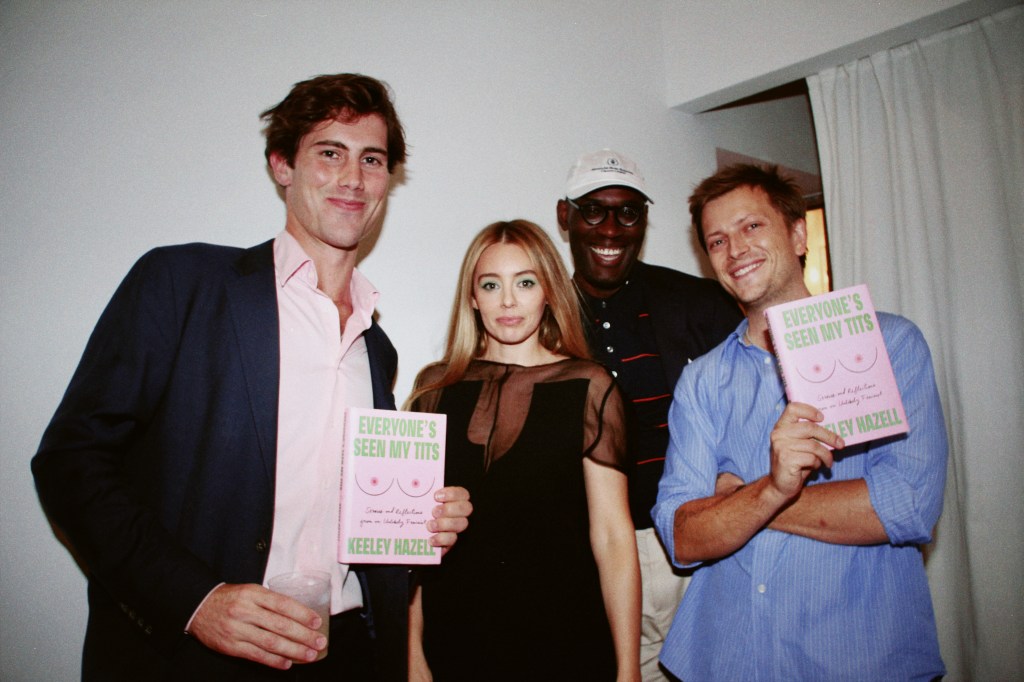
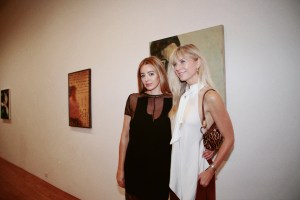
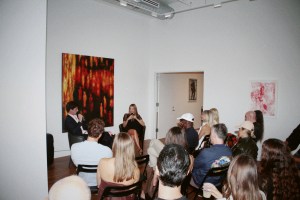
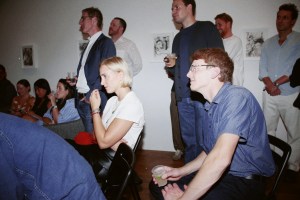
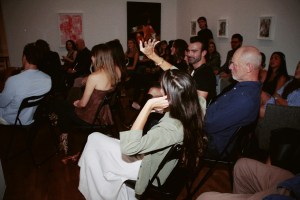
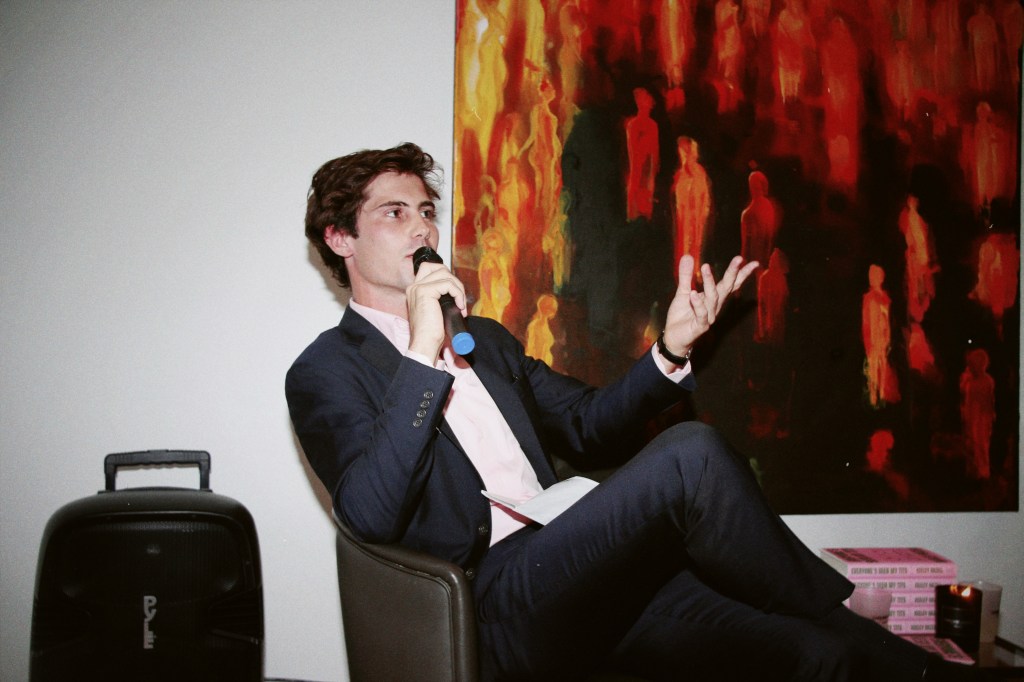
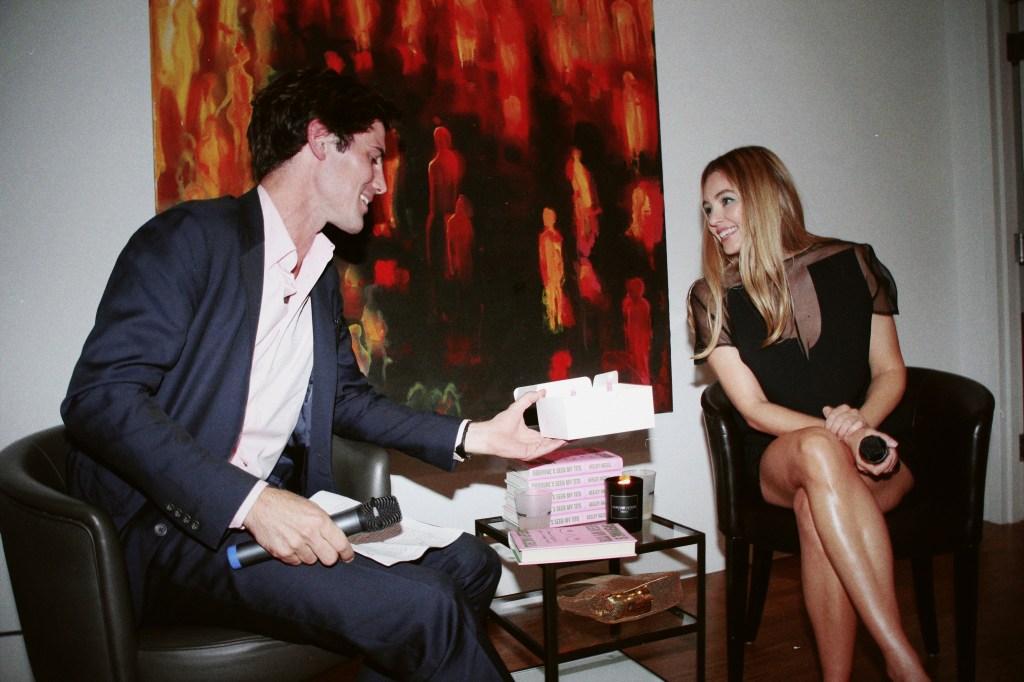
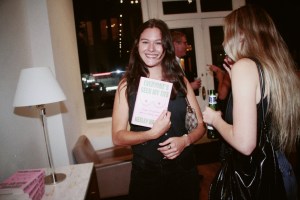
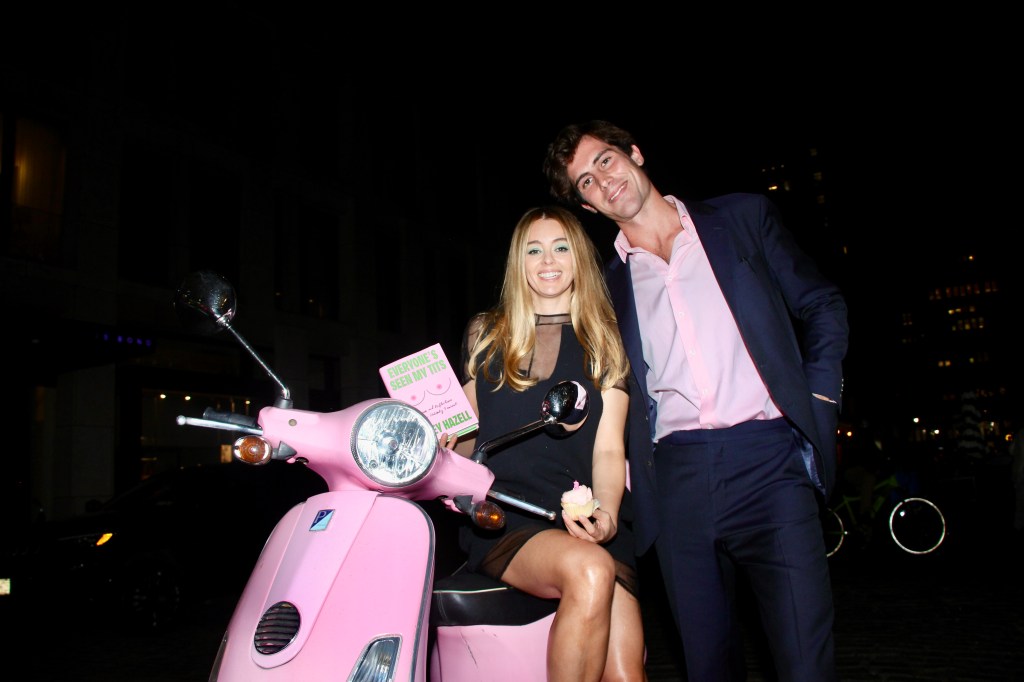
    The Spectator and guests gathered at Palo Gallery to toast the publication of Keeley Hazell’s new memoir Everyone’s Seen My Tits: Stories and Reflections from an Unlikely Feminist.

    For the uninitiated, Keeley – model, actress and now author – is a former Page 3 girl who regularly appeared on the cover of British ‘lads’ mags’ such as FHM, Loaded, Nuts and Zoo Weekly. In 2007, she was the victim of a highly publicized incident of revenge porn, prompting her to leave London for Los Angeles where she traded modeling for acting, landing roles in Horrible Bosses 2 and Ted Lasso.

    Keeley’s debut is a fierce and funny essay collection exploring the relationship between class and feminism, sexual politics and the power of writing your own story.

    Following the talk, Keeley fans and Spectator subscribers spilled out onto the cobblestone streets of NoHo, enjoying colorful cocktails named after chapter titles from the book: “Tits up” Margaritas and “Daddy Issue” Palomas were hot favorites, provided by event partner Chrome Horse Society Tequila. The event coincided with Keeley’s birthday, making it an even more festive affair.

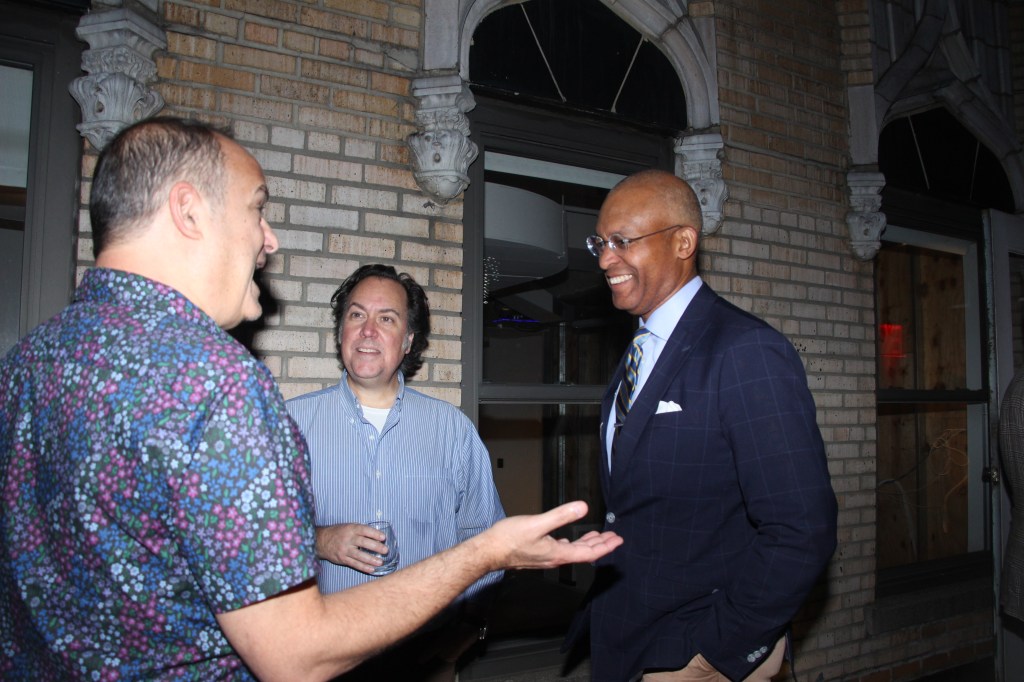
    The Spectator’s Orson Fry, Keeley Hazell, Anaeze Offodile II and Palo Gallery’s Paul Henkel (Lily Burgess/The Spectator)
    Keeley Hazell and The Spectator‘s Orson Fry (Lily Burgess/The Spectator)
  • Why is Bad Bunny performing at the Super Bowl?

    Why is Bad Bunny performing at the Super Bowl?

    The NFL announced on Sunday that Bad Bunny, the musician who just wrapped a residency in Puerto Rico, is now a hop, skip and step away from performing on the largest stage in America: the Super Bowl LX halftime show.

    “What I’m feeling goes beyond myself. It’s for those who came before me and ran countless yards so I could come in and score a touchdown… this is for my people, my culture, and our history,” Bad Bunny said in an NFL statement announcing the halftime show.

    Okay, but Americans are the ones in large part watching the Super Bowl – the same culture and country Bad Bunny chose to boycott when his world tour kicks off in November because of fear that US Immigration and Customs Enforcement (ICE) would raid the concert venues. As ICE operations have ramped up under President Donald Trump, Bad Bunny, whose real name is Benito Antonio Martinez Ocasio, has shown his contempt for it and the White House Administration. In June, he posted an Instagram video that expressed his discontent and anger for not “leaving these people working here alone,” in Puerto Rico. 

    “People from the US could come here to see the show. Latinos and Puerto Ricans of the United States could also travel here, or to any part of the world,” he told i-D magazine. “But there was the issue that… ICE could be outside (my concert venue). And it’s something that we were talking about and very concerned about.”

    It seems like quite a jump to go from keyboard warrior and boycotter of the United States to pandering for its premier sporting event. It seems that for Bad Bunny performing in the United States is a cardinal sin… unless you’re a featured solo artist. According to the NFL, this past year’s Super Bowl recorded the largest viewing audience ever with 127 million people watching across all platforms.

    Why was Bad Bunny even chosen in the first place? Musicians of all backgrounds vie for the opportunity to perform at a Super Bowl. Gone are the days of recognizable names with long careers – Prince, Madonna, Michael Jackson. Now, the NFL is chasing fads. And most Americans won’t even be able to sing along to this fad’s music.

    Bad Bunny will no doubt use the platform to advance some political point. It won’t be the first time in recent years the stage has been co-opted for this. At his Super Bowl performance earlier this year, Kendrick Lamar made subtle references to 40 acres and a mule, the unfulfilled promise of land and resources to freed slaves after the Civil War. Jennifer Lopez received flack after her 2020 halftime show for wanting to show the Puerto Rican flag and kids in cages, another dig at America’s immigration policies.

    Gone are the days of Americans simply enjoying a good show. Once upon a not-so-long-ago time, audiences could enjoy incredible musical acts rather than being force fed a woke history lesson. Who’s to blame? Jay Z. In 2019, the NFL signed his Roc Nation label to produce halftime shows. He’s been predictably one-note, and that one note is woke.

    The NFL shoulders some of the blame, of course. The league desperately wants to become an international sport (there are seven international games this year). Bringing in Bad Bunny is a ploy to grab the attention of a Spanish-speaking audience, which is being prioritized above the stereotypical burger-eating, beer-drinking bro culture that’s long been the sport’s audience.

    Make no mistake, the opinions of fans who made the sport into the Goliath it is today are no longer top priority. Globalization is here for America’s most popular sport, fan dissent or confusion be damned.

  • An evening celebrating the launch of Taki’s memoir

    An evening celebrating the launch of Taki’s memoir

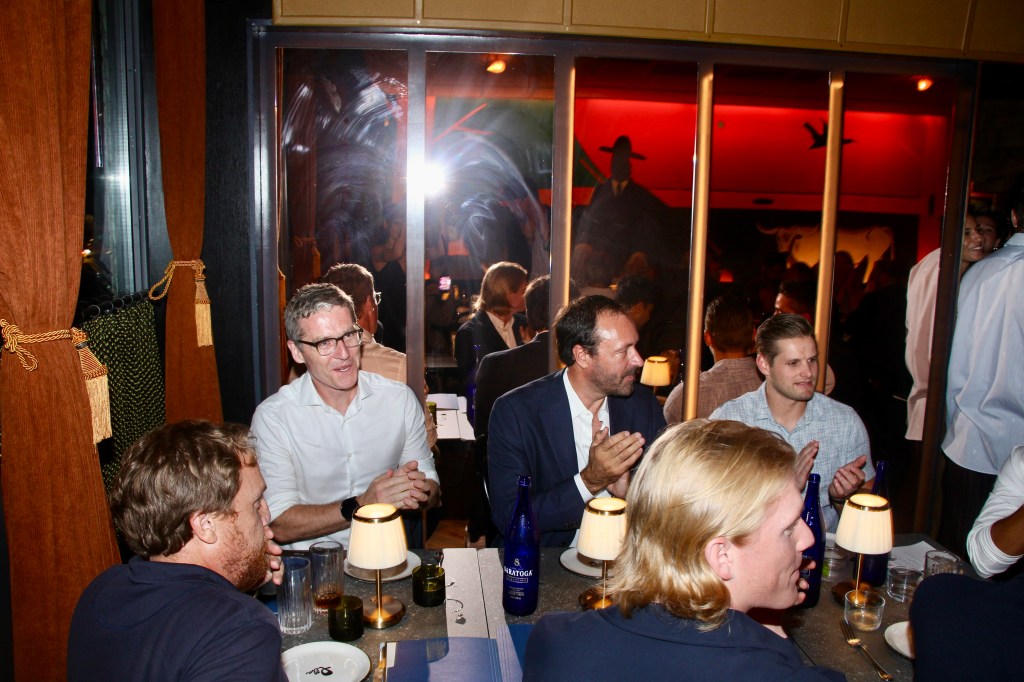
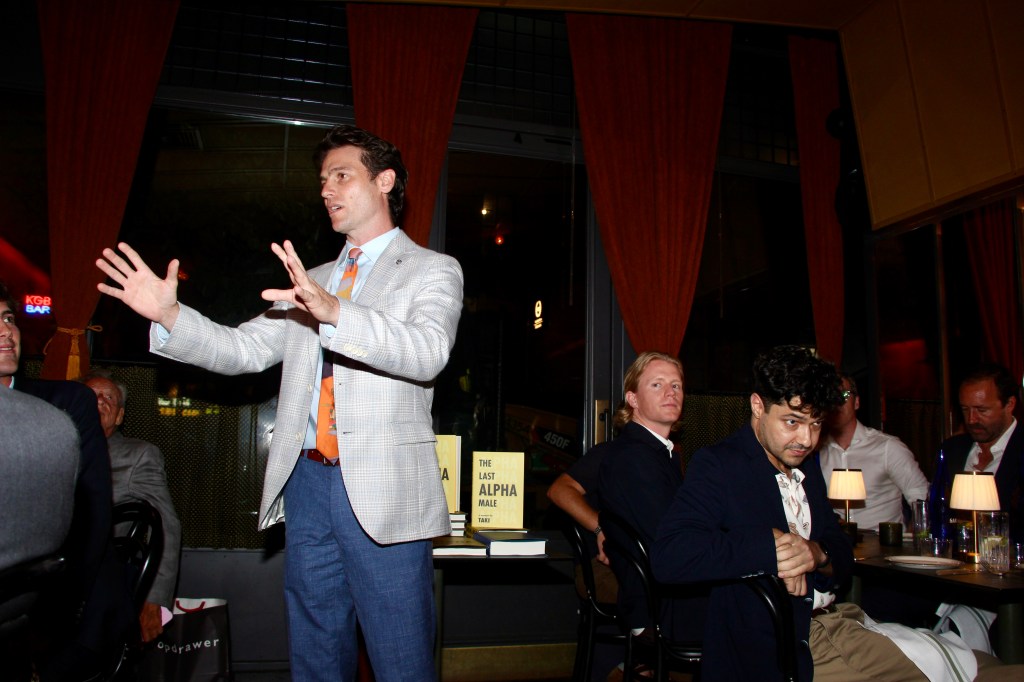
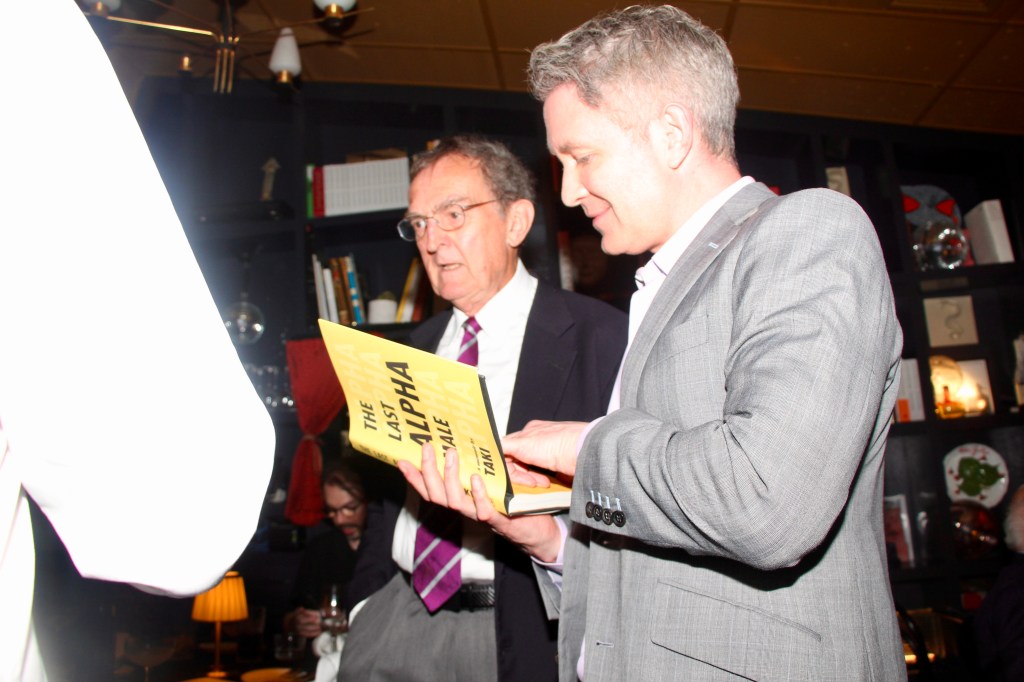
    A high time was had by all to celebrate Taki Theodoracopulos – The Spectator’s legendary High Life columnist – at the launch of his memoir The Last Alpha Male in New York.

    Taki wrote his weekly column for 46 years, thrilling and beguiling Spectator readers with tales of glamorous escapades and misadventures across 20th century high society. In his long-awaited memoir, he traces his steps from his native Greece to battlefields, courtrooms and ballrooms across the globe; recounting a life dedicated to beautiful women, adventure, relentless mischief and bucking the petty, emasculating demands of political correctness.

    As written on the dust jacket: “The Last Alpha Male is Taki at his best: bold, irreverent, insightful and endlessly entertaining. If you believe life should be lived unapologetically, pour yourself a drink, settle in, and let Taki remind you what we’ve all been missing.”

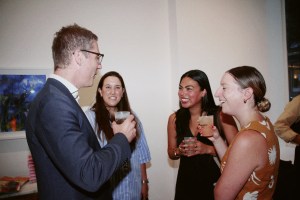
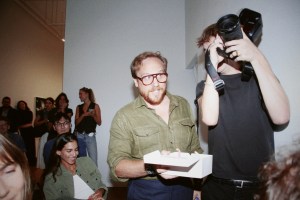
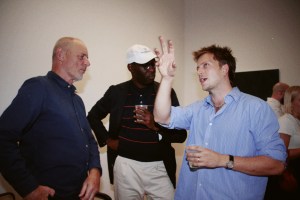
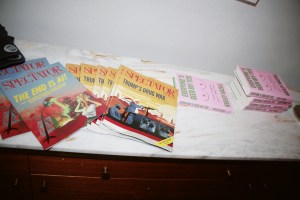
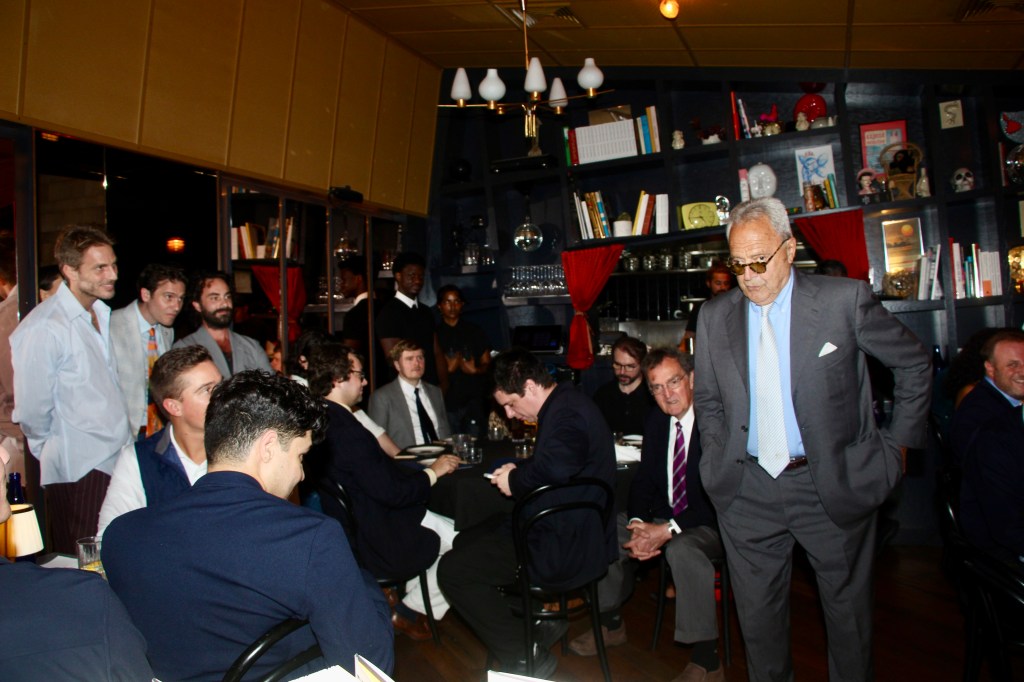
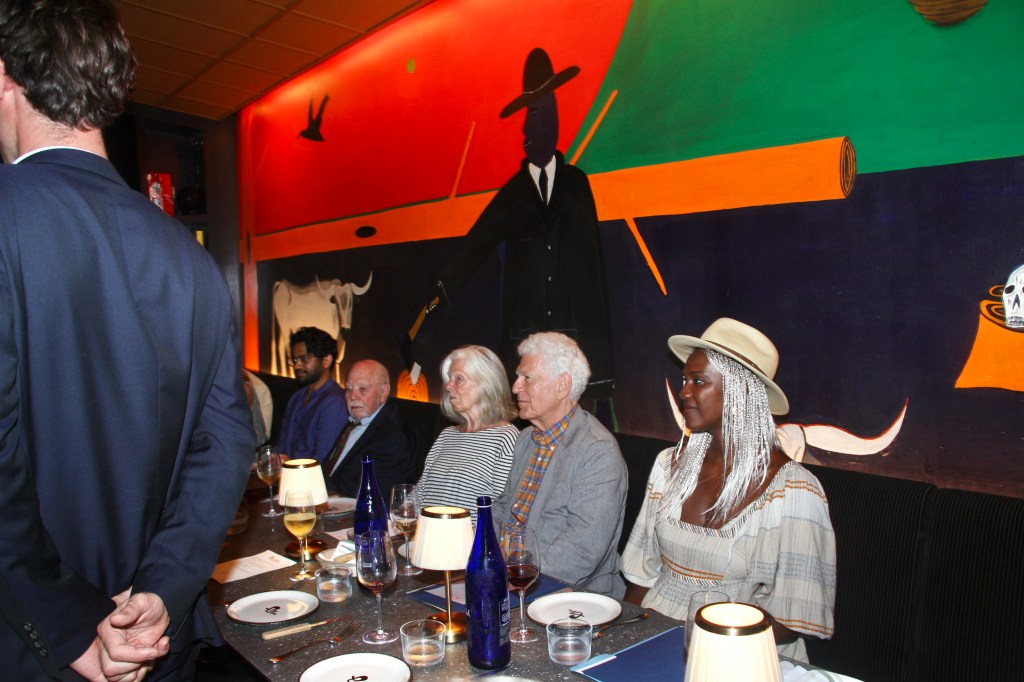
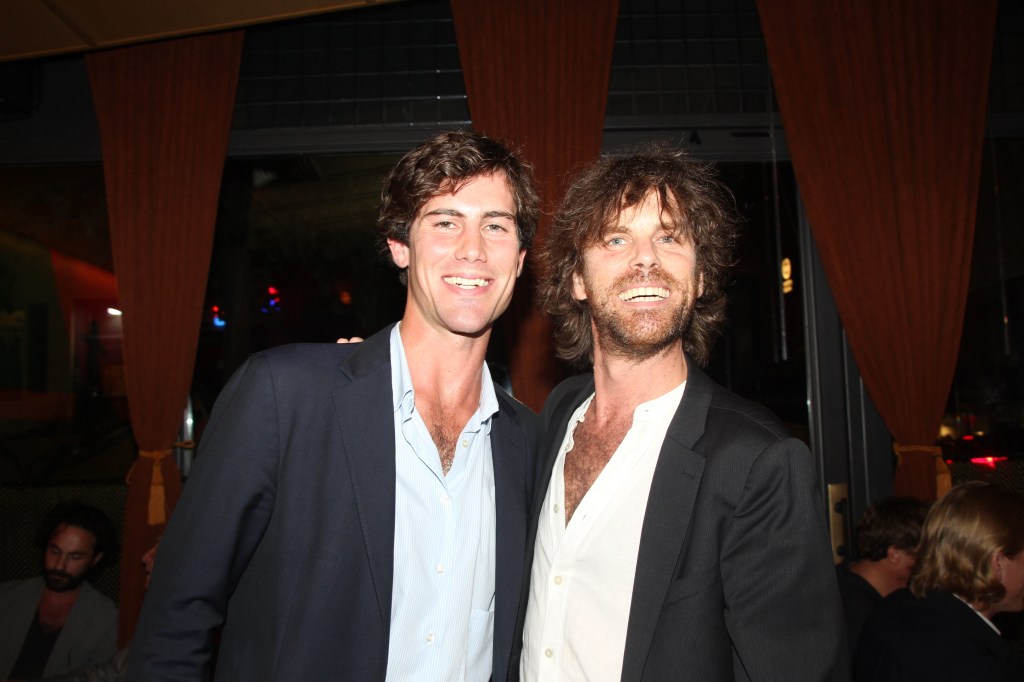
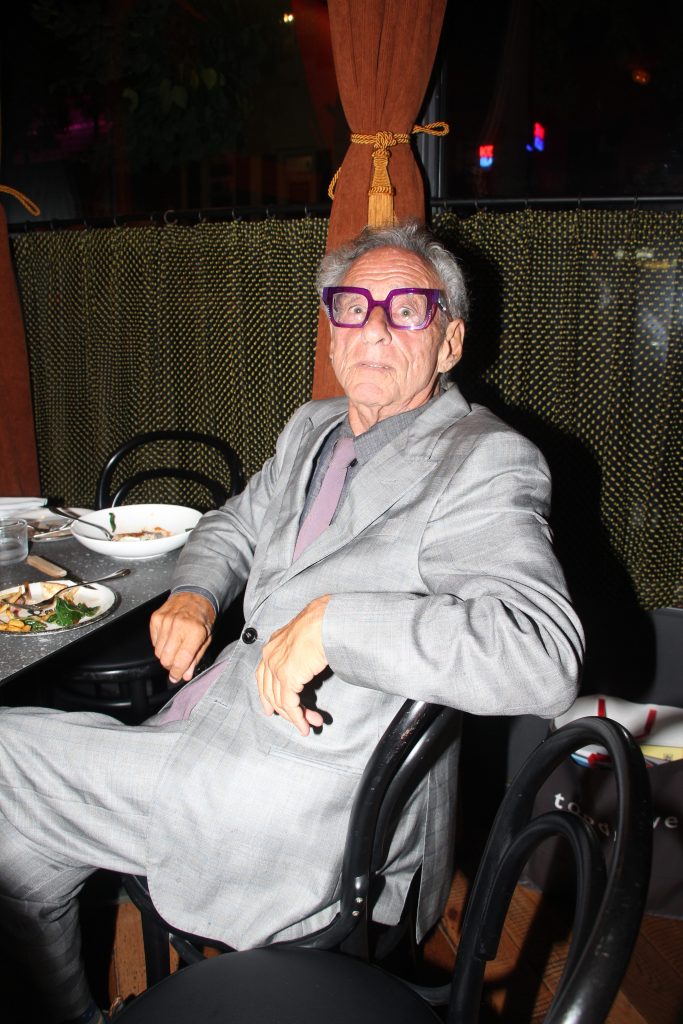
    Friends of the author and Spectator subscribers chatted and drank the night away at Ella Funt, receiving copies of the latest Spectator and signed copies of Taki’s book. Guests included writers Douglas Murray, Harry Stein and Steven M.L. Aronson, film producer Michael Mailer, editors Lachlan Cartwright and Magdalena Taylor, publisher Jonathan Keeperman, artist Inga Khurieva, photographer Jonathan Becker, entrepreneur Rick De Vos, musician Jackson Scott and The Spectator’s Zack Christenson and Ben Clerkin.

    Before heading into a balmy NYC night with his beloved wife, Alexandra, Taki gave a speech, thanking those present and toasting his literary heroes: Hemingway, Fitzgerald and his late friend Norman Mailer. Then – ever the gentleman – he tried to pick up everyone’s bar tab, before discovering it had already been settled by his publisher Passage Publishing. A high time indeed.

  • The pace is quickening in DC

    The pace is quickening in DC

    September in DC is the real new year. The heat hasn’t broken, but the air feels heavier. Congress regroups, summer travelers return to the city and the Hill drones descend on the cafés in their blazers and button-ups, sweating through 80-degree weather. A distinct tension hangs in the air, a carryover from late summer.

    Donald Trump’s declaration of a crime emergency last month transferred control of the local police to federal authorities, and now, as I make my way down 14th Street, I regularly shoulder past protesters and pass clusters of National Guard soldiers milling beside the wine bars and coffee shops where my friends and I still meet. Couples walk past without breaking stride, avoiding eye contact. I, too, avert my gaze. I feel part protected, part watched and more than a little wary. It is a surreal juxtaposition. I tell a friend it reminds me of northern Mexico at the height of the cartel wars. The soldiers are meant to prevent violence, but their very presence signals that violence is the rule of the city, not the exception. Maybe that’s more honest. Even if crime rates are down, violence is salient. As I write, there have been three shootings in the past week.

    This is Washington’s particular joke: violence is never just local, it is staged for the national audience

    In early August I attend a party where I don’t know anyone on the list. Young men in dark suits talk among themselves. I eavesdrop and realize they are mostly DoGE staffers. A few journalists are in attendance as well, to my surprise. A man I don’t recognize politely introduces himself and asks me about my work. He looks young and his manner is earnest. He mentions his clearance; I tease him for talking about it. His name is Edward. I meet two other new hires. One insists he is here to improve on the old model, to revive the previous system with a sharper strategy. He is particularly congenial, a head taller and several degrees more telegenic than the rest of the room. I’ve seen him on a reality show before; he tells me he’s had a career change.

    The next morning the headlines say Edward was beaten trying to stop a carjacking in Dupont Circle. A week later, Trump takes over the Metro.

    The day Charlie Kirk is assassinated I attend a philosophy salon at the Aspen Institute. This year’s word is “virtue” and tonight is the kick-off. We drink wine and discuss MacIntyre and Aristotle on the roof as the planes overhead arc toward Reagan. The night is beautiful – warm air, clear sky – and it presses everyone toward conviviality, however dark the news beneath it.

    The attendees are all smart people. Washington wonks, lawyers and journalists, philosophers and academics. A prominent writer opens by noting that murder rates have declined, suggesting society is less violent, maybe even more virtuous. He argues that nothing has a monopoly on virtue anymore, and that no one can define it with certainty. A lawyer counters that virtue today is monopolized – by statistics, rather than God or the church. He says numbers and material outcomes can’t explain why we ought not to kill; they only chart the rise and fall.

    Later, I ask a newcomer what he thinks of the evening. He shrugs, and says these are very smart people, but Americans are so universal. What world are they referencing when they reference the world? Our values? Our virtue? What about Venezuela? What about anywhere else? His tone isn’t hostile, just bemused, as if he has stumbled into a rehearsal for a very niche play. I tell him he should say all that at the next salon. At the end of the night, we check our phones. The shooter has not yet been caught.

    DC is a thin place; a hinge between ideas and their consequences. It is a place where the rule of the city implies something about the rule of the land. A place where principalities and powers convene to materialize ideas you only read about online and push them past the membrane and into reality. This is Washington’s particular joke, sharpened in the second Trump term: violence is never just local – it is staged for the national audience.

    Lately it feels more unsettled, the hinge straining, the spiral tightening, each event ratcheting more quickly into the next, plunging the city – and maybe the nation – toward a feverish finale that never quite arrives. But the pace is quickening all the same.

    This article was originally published in The Spectator’s September 29, 2025 World edition.
  • Thoughts on moving houses

    Thoughts on moving houses

    “A house for sale is not a home,” says Wendell Berry, which is perhaps why we have delayed putting our home up for sale as we slowly move, box by box, the five short – long? – miles down the road to the house my grandfather built in 1938.
    We are moving from Chapel Street to Bank Street, which I trust does not indicate a moral demotion from my lofty spiritual perch to the world of grubby materialism. I know for certain it does not augur riches.

    We are holding off on selling our Chapel Street home till we’ve cleared it out and are fully moved into Bank, though I nurture a ridiculous hope that before then I might unearth a rusted coffee can filled with 19th-century gold pieces that will enable us to keep both.

    Our Chapel Street abode is a Greek revival farmhouse dating from the early 1830s. For most of a century it was inhabited by our county’s leading family of spiritualists. I’ve never seen a ghost herein, though the squirrels in the attic do a pretty good impression of skittering haints. I would welcome ghosts in the new house, since there never was a kinder man than my grandfather.

    Lucine and I purchased our soon-to-be-former home in 1992 from a charming eccentric who had named it “La Maison des Fleurs Printemps,” and the first thing I did upon moving in was to rip out that sign—though of course the flowers still bloom every May.

    I had a wonderful second-floor office crammed with books and files, its walls papered with posters and our daughter’s artwork. The Kauffman homestead, which is at most two-thirds the size of our current home, offers no such aerie, so I am consigned to the basement, which provides ample room for my avalanche of books and LPs and autographed baseballs and posters bearing images and signatures of persons and things from George McGovern to Barber Conable, Gore Vidal to William Cullen Bryant, Ray Nitschke of the Green Bay Packers to Clyde Tombaugh, the man who discovered Pluto, and The Hired Hand to Zabriskie Point. (I’m a sucker for early 1970s cinema.)

    If I must settle in this netherworld, I told Lucine, the dingy-gray basement had to be chromatically transformed into something out of The Brady Bunch. So we’re painting it a color dubbed “sunshine yellow.” Bring sunglasses if you visit.

    We are leaving the home in which we raised our daughter, drank thousands of cups of coffee, laughed or rolled eyes at countless in-jokes and lived with humor and love and exasperation for the majority of our lives. We also threw the occasional idiotically themed party. The most preposterous was triggered by our buying a bottle of absinthe, out of which grew what we called the French Literary Party. Two dozen partiers endured readings from Arthur Rimbaud and Charles Baudelaire before we all got back to drinking and talking about the Buffalo Bills. ‘Twas très magnifique!

    Technically we’re moving south, but I doubt we quite qualify as snowbirds

    Our pets are buried out back. The Chapel Street house has an unobstructed southern horizon that reveals the Greatest Show in the Universe every clear night. Now and then I’d drag out the eight-inch reflector telescope I bought decades ago with found money when an English publication (not The Spectator, I assure you!) paid me a debt I’d been owed for more than a year. I have relished walking to the post office every morning, dropping by the service station for coffee with Sam and Bob and Whitey and Bear. I don’t believe I will ever be able to think of that house without a tear coming to my eye.

    All my memories are there. But they’re also in the Kauffman homestead and, since none of the younger members of the clan wanted it, Lucine and I figured it fell to us to keep it in the family.

    The Bank Street house is just two lots from the home in which I grew up and in which my octogenarian parents still live. Technically we’re moving south, but I don’t think we quite qualify as snowbirds.

    We’ll be just one block from Dwyer Stadium, home of Batavia’s Muckdogs, where I have spent well over a thousand nights watching baseball in a cocoon of community from which I hope never to emerge. (Sixty-five years? How the hell did I get so old? I am like my late friend Henry W. Clune, the Rochester novelist, who lived to a Methuselan age of 105 but said that he always felt 18 inside. But then, he said, you look in the mirror…) “Sometimes I feel so happy/ Sometimes I feel so sad,” Lou Reed once sang. That about sums up my mood these days.

    This article was originally published in The Spectator’s September 29, 2025 World edition.